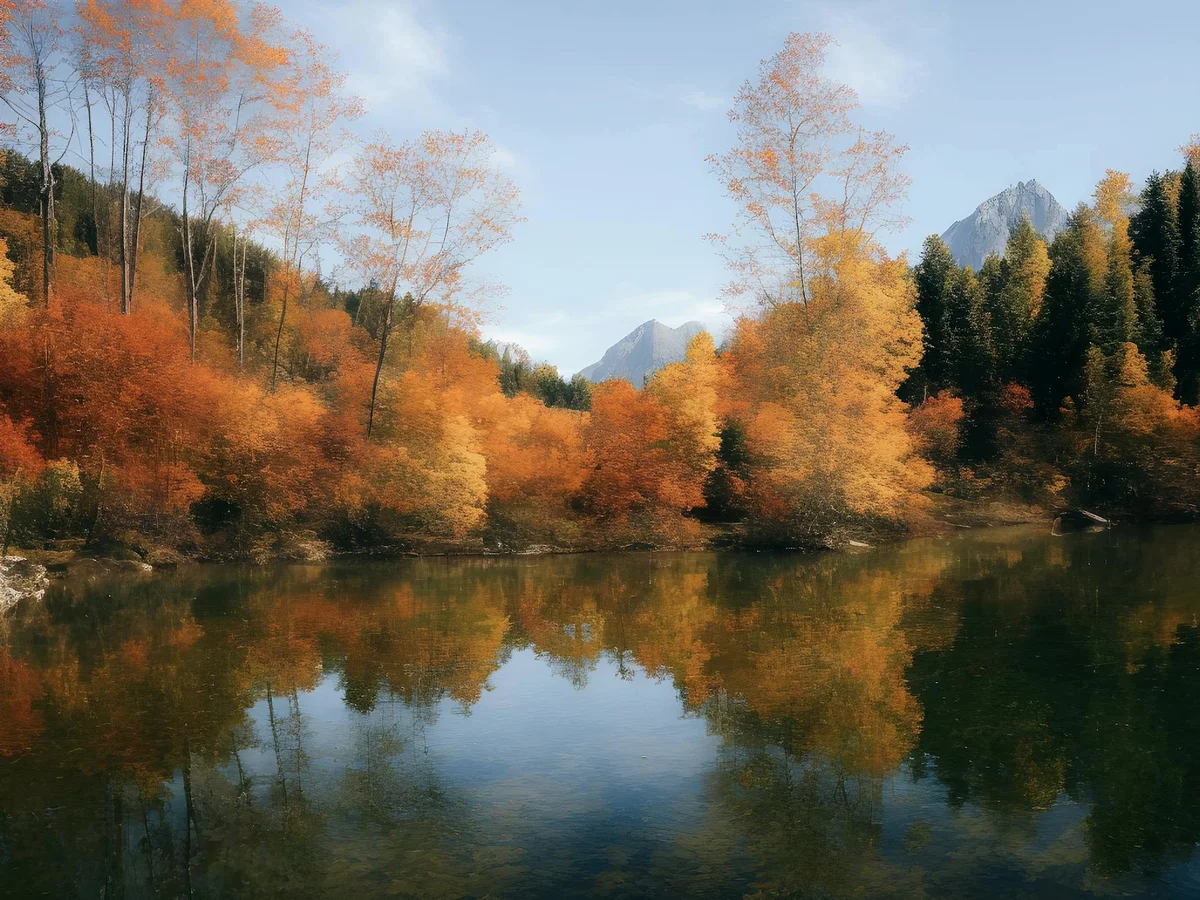
Understanding Best Autumn Foliage Spots in Korea: A Complete Guide to Fall Colors
[Quick answer: Honestly, catching the peak autumn foliage in Korea is a bit of a gamble because the window is surprisingly short—usually just two weeks from mid-October to early November. Real talk: the colors start in the northern mountains like Seoraksan around late September and sweep down south, but if you want the absolute best views without hiking for hours, the ancient palaces in Seoul or the “maple tunnels” of Naejangsan National Park are unbeatable.]
Why the Hype is Real
You might think, “It’s just leaves, right?” Well, yes, but the scale of it here is different. In Korea, autumn isn’t just a season; it’s an event. The mountains don’t just turn yellow or brown—they explode into this ridiculous, vibrant crimson that almost looks fake in photos. I still remember my first trip to Naejangsan in early November. I got off the bus around 6:30 AM, shivering because I didn’t pack enough layers, and was immediately hit by the smell of roasted chestnuts (gunbam) from the street vendors. The “Maple Tunnel” path was so bright with red leaves that it felt like walking inside a lantern. You know what surprised me? The noise. It was prettyn’t quiet nature; it was alive with chatter, music, and the crunch of thousands of boots on dry leaves.
- The sheer intensity: The red maples (danpung) here are smaller and more vibrant than what I’ve seen in North America.
- The contrast: Seeing fiery red leaves against the grey granite rocks of Bukhansan or the painted eaves of a temple is just… something else.
- The atmosphere: It’s chaotic but joyful. Everyone is eating, drinking, and taking selfies.
Timing Your Visit Perfectly
Here’s the tricky part—nature doesn’t care about your itinerary. Generally, the “peak” moves south at about 20 to 25 kilometers per day. If you arrive in Seoul in mid-October, you’re golden for the city spots like Gyeongbokgung Palace or the secret garden at Changdeokgung (book this online 2 weeks early, seriously). But if you head down to Jeju Island, you might be too early.
- Late September: First signs appear in Seoraksan National Park (way up north).
- Mid-October: Peak foliage hits Seoul and central Korea.
- Early November: The colors reach the southern mountains like Naejangsan and Jirisan. I went to Seoraksan a week too late one year. Here’s the thing: the trees at the base were still pretty, but the peaks were already barren and grey. One mistake I made? It was pretty a bummer, honestly. I’d pick mid-October as the safest bet if you can only visit one region. In my view,
The “Danpung-nori” Culture
Koreans call leaf-peeping Danpung-nori, and it’s basically a national sport. On weekends, the hiking trails look less like nature walks and more like a colorful human traffic jam. When I hiked Dobongsan last year, I was stuck in a line of hikers for about 20 minutes just waiting to get a photo at the summit. But the vibe? Incredible. Complete strangers were sharing kimbap and pouring cups of makgeolli (rice wine) for each other.
- Gear matters: You’ll see locals decked out in full professional hiking gear—expensive poles, high-tech boots, the works—even for easy trails.
- The food: The hike isn’t over until you’ve had pajeon (scallion pancake) and acorn jelly salad at a restaurant near the trailhead.
- The timing: Go on a weekday if you can. Seriously. A Tuesday morning hike is peaceful; a Sunday morning hike is a contact sport. The only downside was the public transport crush on the way back. Squeezing into the subway with hundreds of sweaty hikers smells exactly how you imagine. But sitting there, legs throbbing, scrolling through those insane red and gold photos? Totally worth it. I’d say
How to experience Best Autumn Foliage Spots in Korea: A Complete Guide to Fall Colors like a local
To really fit in during autumn foliage season, you need to ditch the casual jeans and embrace the full hiking gear aesthetic—yes, even for relatively easy trails. What stood out was it’s not just about the view; it’s about the communal spirit of sharing gimbap and makgeolli halfway up the mountain while exchanging breathless greetings with strangers. I’d pick this over other options any day.
Dress for the Occasion (Seriously)
When I first arrived at Dobongsan Station around 8:00 AM on a crisp October Saturday, I honestly thought I’d stumbled into a professional mountaineering convention. Everyone—and I mean everyone—was decked out in high-end, neon-colored gear, complete with trekking poles and heavy-duty gloves. I looked down at my old sneakers and cotton t-shirt and felt instant regret. You know what surprised me? It doesn’t matter if the hill is 300 meters or 1,708 meters high; the outfit is non-negotiable for locals. It’s almost a sign of respect for the activity. If you want to blend in, or at least not stick out like a sore thumb, consider grabbing a lightweight windbreaker. You’ll see domestic brands like Black Yak everywhere. It feels a bit intense at first, but once you’re on the rocky terrain of Seoraksan, you realize that gear isn’t just for show.
The Summit Feast
Here’s the thing about hiking in Korea: the peak isn’t just a photo op, it’s a dining destination. I still remember the smell of sesame oil wafting through the crisp air the moment I reached a flat rock halfway up the trail. Groups of hikers will literally full feasts. I’m talking hard-boiled eggs, rolls of gimbap, cups of instant noodles (hot water brought in thermoses!), and the essential makgeolli (rice wine).
- Share your food: If you catch eyes with a group eating, don’t be shocked if they offer you a slice of cucumber or a paper cup of wine. It’s polite to accept a small amount!
- Bring a sit-mat: You’ll see hikers clip small foam mats to their backpacks to sit on cold rocks. You can buy one for like 2,000 won at the shops near the trailhead.
- Pack out trash: There are rarely bins on the trails. You carry down what you carry up.
Chasing the “Danpung” Shot
While the older generation focuses on the hike and the drink, the younger crowd has a different mission. I noticed this huge shift at Hwadam Botanic Garden last year. The queue for the monorail wasn’t just for the ride; it was for the perfect Instagram backdrop. People will wait 20-30 minutes just to stand on a specific bridge framed by red maples. It’s funny, actually—you have the serious hikers clacking their metal poles on one side, and couples in matching beige trench coats setting up tripods on the other. If you’re visiting popular spots like Naejangsan, aim for a weekday morning if possible. The “human traffic jam” on weekends is real, and honestly, shuffling shoulder-to-shoulder kind of kills the vibe.
Trail Etiquette 101
One thing that genuinely confused me at first was the constant greeting. Every person passing me was saying “Annyeonghaseyo” or “Sugo-haseyo” (keep up the good work). I just nodded awkwardly the first few times until I realized it was standard practice. The trails can get crowded, so there’s an unspoken flow you need to follow.
- Right of way: Hikers going UP generally have the right of way. Step aside if you’re coming down—it’s harder to regain momentum going up.
- Music: Please, use headphones. Though, ironically, you’ll definitely hear older hikers blasting teuroteu (trot music) from portable radios attached to their belts. It’s a local quirk you just have to accept with a smile.
- Speed: Don’t block the path. If you need a breather, move to the side. Locals hike fast—like, really fast.
Where can you find Best Autumn Foliage Spots in Korea: A Complete Guide to Fall Colors?
If you’re short on time, here’s the deal: Seoraksan National Park is the undisputed king for dramatic mountain views starting in late September, while Naejangsan National Park offers the most intense “tunnel of red maples” experience in early November. But honestly? I noticed that the “best” spot is often just wherever the color wave happens to be during your trip, as the foliage sweeps from north to south over about six weeks. Street vendors calling out added to the atmosphere.
The Heavy Hitters: Seoraksan and Naejangsan
Everyone tells you to go to Seoraksan, and—well, they’re not wrong. The contrast of the jagged granite peaks against the burning red maples is something I still have as my phone wallpaper three years later. But here’s the thing nobody emphasizes enough: the crowds are absolute madness. I remember arriving at the park entrance at 07:00 AM thinking I was being clever, only to find the parking lot already nearing capacity. The air was biting cold—that crisp, sharp mountain air that smells like pine and damp earth—and I spent the first hour just shuffling behind a wall of hikers in colorful windbreakers. If you want that iconic cable car ride to Gwongeumseong Fortress, you need to be in line before the sun even thinks about coming up.
- Peak Season: Seoraksan hits peak around mid-October; Naejangsan is later, usually early November.
- Transportation: For Seoraksan, take a bus to Sokcho (approx. 2.5 hours from Seoul) and catch a local bus or taxi.
- Pro Tip: If you hate crowds, skip the main cable car route and hike the Ulsanbawi Rock trail instead; it’s grueling but the views are worth every drop of sweat.
Chasing the Color Wave
One mistake I made on my first autumn trip was assuming the whole country turns red at once. It definitely doesn’t. The foliage is like a slow-moving wave crashing down from the DMZ to Jeju Island. When I was in Seoul in late October, the ginkgo trees lining the streets were dropping these pungent, yellow “stink bombs” (if you know, you know), but the maples were just perfect. A week later in Busan, everything was still mostly green.
- Northern Korea (Seoul/Gangwon-do): Starts late September, peaks mid-October.
- Central Korea (Daejeon/Daegu): Peaks late October.
- Southern Korea (Gwangju/Jeju): Peaks early to mid-November.
Skipping the Crowds
Honestly, some of my favorite memories aren’t from the famous national parks at all. I stumbled upon the Sungkyunkwan University campus in Seoul purely by accident one afternoon, and the massive ginkgo trees there—some over 400 years old—were shedding golden leaves like it was snowing sunshine. It was quiet, save for the sound of students rushing to class and the crunch of leaves under my boots. No tour buses, no megaphones. Just me and a cup of cheap convenience store coffee. If you want that “autumn mood” without the elbow-to-elbow hiking, check out the palaces in Seoul or even Seoul Forest.
- Changdeokgung Palace Secret Garden: You must book online; tickets release at 10:00 AM and vanish in seconds.
- Nami Island: Yes, it’s touristy, but the Metasequoia Lane in late October is legitimately stunning.
- Hwadam Botanic Garden: A bit of a trek from Seoul (about 40 mins by car), but the monorail ride through the maples is magic.
When to experience Best Autumn Foliage Spots in Korea: A Complete Guide to Fall Colors
Since the cooler weather sweeps down from the north, the foliage season is a moving target; Seoraksan peaks around October 20th, while southern spots like Naejangsan are best in early November. Pro tip from experience: if you can only pick one week to visit, the last week of October is your safest bet for seeing gold and crimson everywhere. To catch Korea at its most vibrant, aim for the window between mid-October and early November. My one complaint would be
Chasing the Crimson Wave
It’s not just about the month; it’s strictly about latitude and altitude. When I first planned a fall trip here, I made the rookie mistake of thinking “October” meant color everywhere. Nope. Seoraksan National Park turns red way earlier than Seoul. I remember standing at the base of Ulsanbawi Rock around October 15th, and the maples were absolutely on fire—like, blindingly red. But when I took the KTX down to Busan a few days later? It was still mostly green. If you’re serious about photography, you have to chase the cold weather south.
- Late September to Early October: Seoraksan (North) begins turning.
- Mid-October: Odaesan and Jirisan hit peak vibrancy.
- Late October to Early November: Seoul (palaces) and Naejangsan (South) are prime.
Beat the Crowds (Seriously)
Let’s be real for a second—autumn in Korea is gorgeous, but the crowds can be overwhelming. I’m talking “shoulder-to-shoulder on a mountain trail” levels of crowded. Honestly, if you can avoid weekends, do it. I went to Naejangsan on a sunny Saturday once, and we spent more time in traffic than looking at trees. The tour buses start rolling in at 9:00 AM sharp, and by noon, the trails are packed. The sheer noise. You know what surprised me? It’s a festive atmosphere, sure, but if you want that serene, misty morning shot with the reflection in the pond, you need to be at the park entrance by 7:00 AM. The air is crisp enough to see your breath, and the only sound is the crunch of gravel under your hiking boots before the massive groups arrive with their Bluetooth speakers.
The Golden Hour Dilemma
Lighting matters more than you think. While mid-day is bright, the harsh sun can wash out the colors in photos. I found that 3:00 PM to 5:00 PM offers that warm, golden glow that makes the ginkgo trees look like they’re glowing from the inside. Just keep in mind that the sun sets earlier in the mountains—here around 5:30 PM in late October—so don’t get caught on a trail without a headlamp. It gets dark fast, and the temperature drops instantly.
- Check the K-Weather forecast daily; rain knocks the leaves off fast.
- Arrive at trailheads before sunrise or stay until sunset.
- Wear layers—noon is t-shirt weather, but 5 PM is puffer jacket territory.
The importance of Best Autumn Foliage Spots in Korea: A Complete Guide to Fall Colors
For Koreans, autumn foliage isn’t just a pretty backdrop for Instagram; it’s a deeply ingrained cultural ritual known as danpung-nori that marks the passage of time. It represents a spiritual preparation for the long, cold winter ahead, drawing millions to national parks like Seoraksan and Naejangsan to witness the fiery transformation of the .
A Tradition of Reflection
Historically, Korean scholars and royals would retreat to the mountains during late October and November to compose poetry and meditate on the transience of life. You can still feel that solemn appreciation today, even amidst the modern chaos. When I first visited Bulguksa Temple in Gyeongju during peak foliage, I expected just a tourist site. Instead, I saw older hikers in high-end gear quietly staring at a single red maple tree for minutes, totally lost in thought. It was prettyn’t about capturing the photo; it was about capturing the moment. This connection to nature is serious business here—it’s almost respectful.
The Social Spectacle
But let’s be real—it’s also a massive social event. Modern foliage viewing is loud, vibrant, and incredibly communal. If you go to a popular spot like Bukhansan on a weekend, you aren’t just hiking; you’re joining a moving stream of people.
- The Gear Game: Expect to see top-tier fashion. Even on easy trails, locals wear professional-grade boots and neon windbreakers that cost a fortune.
- The Feast: The summit isn’t the only goal. Sharing gimbap, makgeolli (rice wine), and tangerines on a flat rock is half the fun.
- The Noise: It’s surprisingly energetic. You’ll hear trot music blasting from someone’s backpack and strangers shouting “Fighting!” to encourage you.
Why We Still Go
Honestly, I used to wonder why anyone would brave the 3-hour traffic jams on the expressway just to see leaves. I mean, trees are everywhere, right? But then I dragged myself out of bed at 5 AM one chilly Saturday to catch the first bus to Seoraksan. The air was crisp—smelling of damp earth and pine—and when the sun finally hit those jagged peaks draped in crimson and gold, I totally got it. It’s an escape. In a society that moves at a breakneck “bali-bali” (hurry-hurry) pace, the autumn leaves are a rare, beautiful reminder that everything changes, and that’s okay. The crowds were insane—honestly, getting down took longer than going up—but standing there, catching my breath in the cold mountain air? Absolutely worth it.
What to avoid with Best Autumn Foliage Spots in Korea: A Complete Guide to Fall Colors
The biggest mistake you can make is assuming you can just “show up” to a popular mountain like Seoraksan on a weekend in mid-October and have a peaceful time. Honestly, if you arrive after 9:00 AM on a Saturday, you’re not going for a hike; you’re joining a very slow, very crowded queue that happens to be on a mountain. Also, don’t underestimate how quickly the temperature drops—sunny at noon doesn’t mean warm at sunset.
The Weekend “Human Train”
I still remember my first trip to Naejangsan during peak foliage season. Word of advice: i thought arriving at 10:00 AM was early enough, but i was so wrong. The road to the park was a parking lot, and once inside, it was basically a human train shuffling along the path. You know, shoulder-to-shoulder, barely moving. It was frustrating because I just wanted to enjoy the scenery, but instead, I was staring at the backpack of the guy in front of me. The air smelled like roasted chestnuts and pine—which was lovely—but the sheer volume of chatter drowned out any nature sounds. If you want actual serenity, you have to be strategic.
- Skip the weekends: If your schedule allows, go on a Tuesday or Wednesday. The difference in crowd levels is night and day.
- Start at dawn: If you must go on a weekend, be at the trailhead by 6:00 AM or 7:00 AM.
- Avoid driving: Parking lots at Seoraksan can fill up by 7:30 AM. Taking an intercity bus saves you the headache of parking, though you might still sit in traffic.
Gear Mistakes and Safety
It sounds like a cliché, but I’ve seen so many people struggling up Ulsanbawi Rock in flat canvas sneakers or, believe it or not, high-heeled boots. What nobody tells you is the trails here aren’t just dirt paths; they’re often jagged granite stairs or slippery rocks covered in fallen leaves. I once watched a tourist slip near the Gwongeumseong Fortress cable car station because their shoes had zero grip—it was a scary moment that could have ended a lot worse. Also, the temperature swings are brutal. I remember hiking in a t-shirt at noon, sweating buckets, but the second the sun dipped behind the ridge around 3:30 PM, the temperature plummeted. I was shivering in my light jacket while the older Korean hikers casually pulled out thermal vests and hot coffee. Look for the big sign near the corner.
- Don’t wear jeans: They get heavy with sweat and freeze you when the wind picks up. Stretchy hiking pants or leggings are way better.
- Layers are non-negotiable: Bring a fleece or a light down jacket. The wind at the peaks is no joke.
- Hydration reality: There are rarely water fountains on the trails. Bring at least 1 liter of water per person.
Transportation Gambles
The thing is, getting to these spots is half the battle. I learned this the hard way when I tried to book a KTX train to Jeongeup (the gateway to Naejangsan) just three days before my trip. Every single seat was sold out. Standing room? Also gone. I ended up taking a slow bus that took almost five hours due to highway traffic. It was… exhausting. Korean travelers are incredibly organized and book their train tickets the second they open, 30 days in advance. Don’t assume you can wing it with transport during autumn.
- KTX/SRT Trains: These book out instantly for weekend slots. Set an alarm for 7:00 AM (KST) exactly one month prior.
- Intercity Buses: Apps like T-Money GO or websites like Bustago are essential, but even these fill up for morning departures.
- Standing tickets: If you’re desperate, you might snag a standing ticket at the station, but standing for 2-3 hours after a long hike? I wouldn’t recommend it.