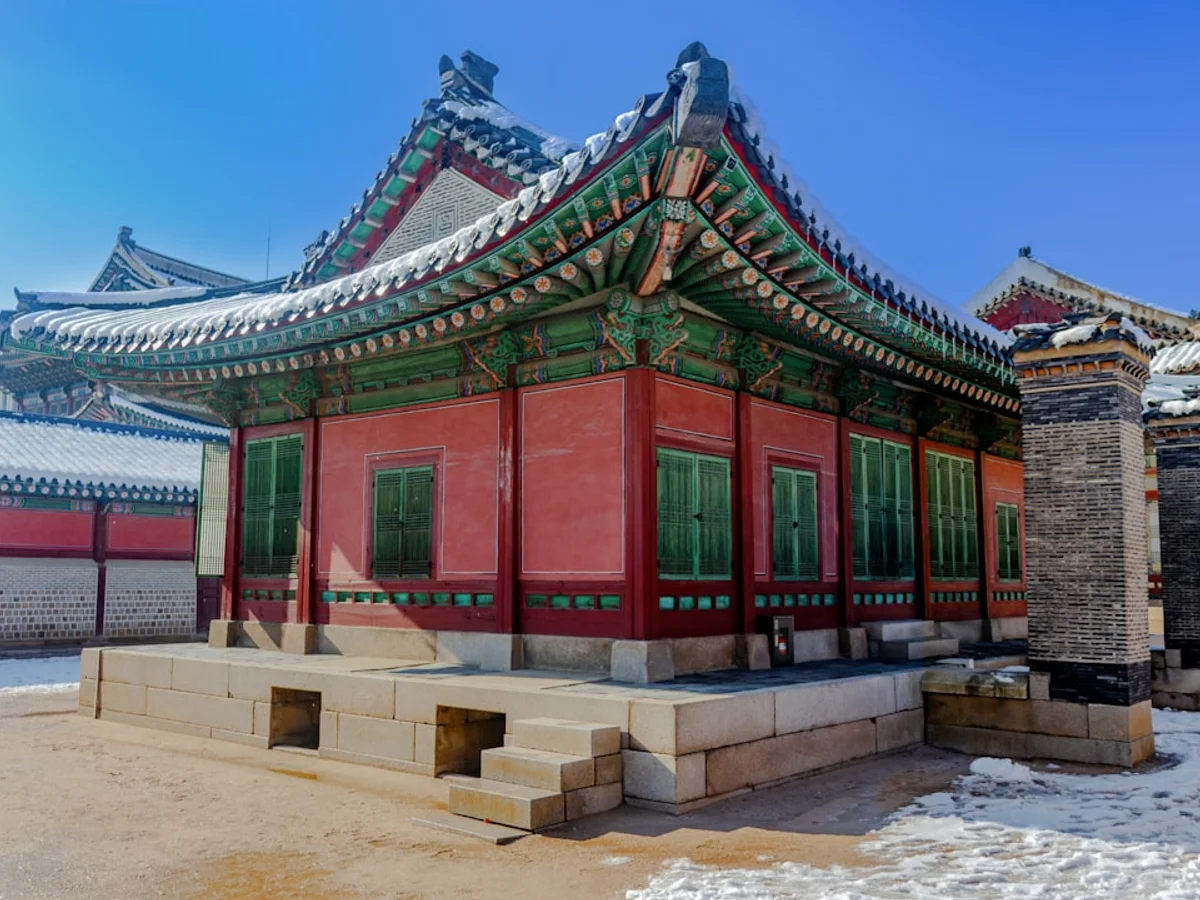
What is Complete Beginner’s Guide to Temple Stay in Korea?
A temple stay in Korea is basically a short-term immersive program that lets you live like a Buddhist monk in a traditional mountain temple. It’s a chance to strip away the noise of modern life, swap your jeans for a baggy grey uniform, and follow the rhythmic, quiet schedule of the monastic community. Not gonna lie, you don’t have to be Buddhist to join—most people who do it are just looking for a “healing” break from the burnout of city living. Could’ve been better, but
A Break from the “Pali-Pali” Culture
Well, if you’ve spent more than five minutes in Seoul, you know everything is about speed—“pali-pali” (hurry, hurry). A temple stay is the exact opposite of that. I still remember my first time arriving at Jogyesa in central Seoul; one minute I was dodging delivery scooters, and the next, the air felt five degrees cooler and smelled like sandalwood. It’s a culture shock even for people living there. The core idea is simple: you eat when the monks eat, sleep when they sleep, and try to find a bit of headspace through meditation.
- Experiential Program: Usually lasts 1 night and 2 days, though you can do longer.
- Monastic Daily Life: Includes Yebul (chanting), Chamseon (meditation), and Baru Gongyang (formal meals).
- Accessibility: Most temples have English-speaking coordinators now, so you won’t be totally lost.
- Cost: Usually ranges between 50,000 to 100,000 KRW per night.
Why It’s Not Just a Hotel
Honestly, I was surprised by how strict it can be. It’s not a spa. You aren’t there for a fluffy robe and a late checkout. You’re there to participate. The first time I went, I thought I could just skip the 3:30 AM morning service and sleep in. Wrong. A monk gently but firmly tapped on my door. That’s the thing—it’s a living tradition, not a museum display. You’re part of the temple’s ecosystem for a day.
- You wear a provided temple uniform (often a vest and loose pants).
- You follow a fixed schedule that starts before dawn.
- You participate in communal work (Uryeok), which might be sweeping leaves.
- You practice mindfulness in everything, even while walking.
How to experience Complete Beginner’s Guide to Temple Stay in Korea like a local
To experience a temple stay like a local, you have to embrace the silence—which is way harder than it sounds. Locals often go to these stays not for “sightseeing,” but for “MT” (membership training) of the soul or simply to escape family pressure. They don’t treat it like a photoshoot. I’ve sat in tea rooms where a CEO and a college student both ended up crying while talking to a monk about their anxieties. They lean into the “Chahoe” (tea time with a monk), which is where the real deep conversations happen. Locals mentioned that it’s that kind of vibe.
Navigating the Rituals
The chanting sessions, or Yebul, are the heartbeat of the temple. When I first visited Bongeunsa, I felt so awkward trying to match the bows. You’re supposed to do a full prostration—forehead to the floor—every time the big bronze bell rings. My knees were honestly killing me by the third round. But locals do it with this fluid, rhythmic grace. It’s less about the religious aspect for many and more about the physical discipline of moving your body in sync with your breath.
- Prostrations: Learning the 108 bows is a rite of passage.
- Silent Meals: Eating without talking (and finishing every single grain of rice).
- Walking Meditation: Slowly pacing through the temple grounds or nearby forest.
- Dado (Tea Ceremony): Learning how to pour and receive tea with two hands.
Modern Adaptations for the Restless
Thing is, not everyone wants to do the hardcore 24-hour program. Many temples now offer “freestyle” or “rest-oriented” stays. I tried one of these at a temple near Bukhansan National Park, and it was much more chill. You still have to show up for meals, but the rest of the time you can just sit by the stream or read. It’s become a huge trend for “MZ generation” Koreans who are totally burnt out. They just want to stare at a mountain for ten hours.
- Pick a Rest-type stay if you want more free time.
- Look for temples offering special workshops like making lotus lanterns.
- Check if the temple has floor heating (Ondol), especially in winter.
- Don’t be afraid to ask the monk “Why?” during tea time—they actually enjoy the questions.
Why do Koreans love Complete Beginner’s Guide to Temple Stay in Korea?
Koreans love temple stays because it’s the ultimate “reset button” for a society that never sleeps. It offers a rare chance to be “unplugged” in one of the most connected countries on Earth. It’s not just about Buddhism; it’s about reclaiming a sense of “Jeong” (connection) and finding “Healing”—a word you’ll hear constantly in Korea. I remember talking to a local friend who goes every time she switches jobs. Word of advice: she says it’s the only place where no one asks her for her resume or her marital status. You could hear the chatter of locals nearby. It’s in the basement level.
Historical Roots and Modern Stress
Buddhism has been in Korea for over 1,700 years, so these temples are basically the DNA of the country’s architecture and philosophy. Even if someone identifies as non-religious, they likely grew up with these mountain views. When the IMF crisis hit in the late 90s, and again during the recent hyper-competitive job market, people flocked to temples. The quietude of a thousand-year-old temple makes your modern problems feel a bit smaller. It’s perspective, really.
- Spiritual Heritage: A way to connect with ancestors and traditional aesthetics.
- Mental Health: A socially acceptable way to take a “mental health day.”
- Cultural Pride: Koreans are proud of their “Templestay” brand, which officially launched for the 2002 World Cup.
- Nature Therapy: Most temples are located in the best real estate—national parks.
The Allure of Simplicity
There’s something weirdly addictive about the simplicity of the food. It’s called Sachal Eumsik (temple food), and it’s strictly vegan—no garlic, no onions, no chives. I thought it would be bland. Honestly, I was so wrong. The flavors are incredible because they use fermented pastes that are decades old. I still remember the taste of the mountain greens at Baegyangsa; they tasted like the forest itself. It’s a clean feeling that you just can’t get from a burger in Gangnam.
- No “Five Pungent Herbs”: No garlic or onions to keep the mind calm.
- Seasonal Ingredients: Whatever is growing on the mountain that week.
- Zero Waste: You wash your bowl with a piece of yellow radish and drink the wash water.
- Mindful Consumption: Thinking about the effort it took to grow the food.
Best places for Complete Beginner’s Guide to Temple Stay in Korea
The “best” place really depends on whether you want a mountain hike or a city escape. For total beginners, I often suggest temples in Seoul like Jogyesa or Bongeunsa because they are easy to get to by subway. Pro tip from experience: but if you want the “real” experience, you have to head to the provinces. Beomeosa in Busan is stunning, perched right on the edge of a mountain with a view that will make you forget you’re in Korea’s second-largest city. The sound of traditional music drifted through the air.
Regional Gems
I once took a bus down to Mihwangsa in Haenam, which is way down at the southern tip of the peninsula. It took forever to get there—about 5 hours from Seoul—but man, the sunset over the yellow sea was worth it. The temple felt so isolated and ancient. If you’re into architecture, Guinsa in Danyang is a trip. It’s the headquarters of the Cheontae order and looks like something out of a Ghibli movie with its multi-story buildings squeezed into a narrow valley.
- Jogyesa (Seoul): Most accessible, right in the heart of Insadong.
- Haeinsa (Hapcheon): Home to the Tripitaka Koreana (ancient woodblocks).
- Woljeongsa (Pyeongchang): Famous for its beautiful fir tree forest walk.
- Golgulsa (Gyeongju): The place to go if you want to learn Sunmudo (Buddhist martial arts).
Off-the-Beaten-Path Options
If you want to avoid other tourists, look for temples that don’t have massive “Templestay” banners at the entrance. I found a tiny place in Gyeongsangnam-do once where I was the only guest. The monk didn’t speak a word of English, but we spent an hour drawing pictures in the dirt to communicate. It was awkward but beautiful. Sometimes the best experience isn’t the most “organized” one.
- Magoksa (Gongju): Very peaceful, great for forest bathing.
- Naksansa (Yangyang): Located right on a cliff overlooking the ocean.
- Yakchunsa (Jeju Island): If you’re already on Jeju, this one has massive Buddha statues.
- Geumsansa (Gimje): Known for its unique three-story hall.
When to experience Complete Beginner’s Guide to Temple Stay in Korea
If you go in the dead of winter, be prepared for the “Ondol” (floor heating) to be your best friend, but the walk to the bathroom might involve frozen toes. Timing is everything. Spring and Autumn are the goldilocks seasons—not too hot, not too cold. I’ll never forget visiting a temple in late October when the maple trees were so red they looked like they were on fire. The sound of the wooden wind chimes (punggyeong) in the crisp autumn air is a core memory for me. Not gonna lie, this was pretty impressive. Entry was around $15.
Seasonal Highlights
Summer is humid. Like, “my uniform is sticking to me” humid. But it’s also when the lotus flowers bloom, which is a big deal in Buddhist culture. If you can handle the heat, the Lotus Lantern Festival (around May, for Buddha’s Birthday) is peak temple season. The temples are covered in thousands of colorful lanterns. It’s crowded, sure, but the atmosphere is electric. You’ll see grandmas in their best Hanboks and kids running around with paper lanterns.
- Spring (April-May): Cherry blossoms and Buddha’s Birthday celebrations.
- Autumn (October-November): Peak foliage; the best time for mountain photography.
- Winter (December-February): Maximum silence, but very cold in mountain temples.
- Summer (July-August): Lush green forests, but expect heavy rain (monsoon season).
The Daily Rhythm
Regardless of the month, the daily pattern is what matters. The most “magical” time is between 3:00 AM and 5:00 AM. I know, waking up that early sounds like a nightmare. But when you walk out of your room and the stars are still out, and you hear the monk hitting the “Moktak” (wooden drum) to wake up the mountain… it’s surreal. The air smells like pine and damp earth. That’s the moment you realize why people keep coming back.
- Morning Yebul: Starts around 3:30 AM or 4:00 AM.
- Breakfast: often served around 6:00 AM.
- Work/Meditation: Mid-morning activities.
- Evening Bell: Around 6:00 PM, marking the end of the day.
Common mistakes with Complete Beginner’s Guide to Temple Stay in Korea
I’ve seen people show up with rolling suitcases and loud music. The biggest mistake?, but treating it like a hotel. That’s a huge no-no — also, the dress code is more important than you think. Even though they give you a uniform, you should wear modest clothes underneath or for when you’re not in the vest. No tank tops or short shorts. I once saw a guy try to enter the main hall in a sleeveless gym shirt, and the look the head monk gave him—well, let’s just say it wasn’t very “zen.” I’d pick this over other options any day. The energy there was infectious. It’s right by exit 3.
Cultural Faux Pas
There’s a specific way to enter a temple hall. You’re supposed to use the side doors, not the middle door—that’s reserved for the monks. And whatever you do, don’t step on the wooden threshold (the raised beam at the bottom of the door). I stepped on it during my very first stay, and an old woman gasped like I’d just kicked a puppy. It’s considered bad luck or disrespectful to the temple’s “neck.”
- Noise: Keep your voice down, especially near the meditation halls.
- Photography: Never take photos of the Buddha statues during a service.
- Dining Etiquette: Don’t leave a single grain of rice on your plate.
- Physical Contact: Avoid excessive PDAs or touching the monks.
The “Baru Gongyang” Panic
The formal meal, or Baru Gongyang, is where most beginners mess up. It’s a highly ritualized way of eating using four nested bowls. You have to eat everything, including the water used to rinse your bowls. I remember staring at the bowl of cloudy “rinse water” and thinking, “I really have to drink this?” Yes, you do. If you’re squeamish about that, maybe look for a temple that offers a “buffet style” meal instead.
- Don’t take more food than you can actually finish.
- Keep your bowls in the correct order (clockwise).
- Use your pickled radish to wipe the bowl clean at the end.
- Stay completely silent throughout the entire process.
Tips for Complete Beginner’s Guide to Temple Stay in Korea
First tip: book through the official Templestay.com website. It’s the centralized hub for all the “official” programs and they have a great English interface. Second, pack thick socks. Word of advice: i forgot socks on a trip to Woljeongsa and spent the whole weekend with numb toes. Most temples require you to take your shoes off, and those wooden floors get cold—like, “ice cube” cold—even in the summer. Not very meditative. The place was packed with tourists and locals alike.
Practical Essentials
Bring your own toiletries! Temples provide the room and the uniform, but they aren’t big on amenities. You’ll here get a bar of soap, but that’s about it. Also, bring a reusable water bottle. Most temples have natural spring water taps, and it’s the best water you’ll ever taste. I always carry a small power bank too, because while some rooms have outlets, they are often in awkward spots or shared with three other people.
- Booking: Aim to book at least 2-3 weeks in advance, especially for weekends.
- Transport: Check the bus schedules; some temples are a 30-minute taxi ride from the nearest bus terminal.
- Language: Download a translation app, but don’t rely on it too much; monks prefer gestures over screens.
- Money: Keep some cash (KRW) for the small souvenir shops or for tea offerings.
Budget and Expectations
A stay is quite affordable, but remember it’s a donation-based system technically. The 60,000 KRW you pay often covers three meals and a bed. Speaking of beds—prepare for the floor! You’ll be sleeping on a “Yo” (thin mattress) on the ground. Honestly, I thought my back would be wrecked, but the floor heating makes it surprisingly cozy. Just don’t expect a Sealy Posturepedic. It’s all part of the “stripping away” experience.
- Shared Rooms: Unless you pay extra, you might be sharing a room with 2-3 others.
- No Alcohol/Meat: Leave the snacks and beer at home; it’s strictly forbidden.
- Earplugs: Essential if you’re a light sleeper—snoring in a quiet temple is loud.
- Comfortable Shoes: You’ll be slipping them on and off constantly, so go for slip-ons.