Understanding Dongdaemun Night Market Guide: Shopping and Navigating the Fashion Capital
Dongdaemun is essentially a massive, sleepless ecosystem of fashion that actually comes alive just as the rest of Seoul goes to bed. It’s split into two distinct universes: the shiny retail malls for casual shoppers and the gritty wholesale night markets for serious buyers, operating typically from 8 PM until 5 AM. To navigate it successfully, you just need a stash of cash, comfortable shoes, and the knowledge that the best deals often happen way past midnight. My one complaint would be
The Midnight Vibe
I still remember the first time I walked out of Dongdaemun History & Culture Park Station (try Exit 2) around 11:30 PM. I expected it to be winding down, but it was just waking up. The energy is frantic—honestly, it’s a bit of a sensory overload. You’ve got motorcycles zooming past on the sidewalks delivering massive plastic sacks of clothes, the smell of spicy tteokbokki wafting from the street stalls, and bright LED lights everywhere. It feels less like a shopping trip and more like an industrial operation. You aren’t just browsing; you’re in the way of commerce. One thing that surprised me?, and the sheer speed of it all. Designs here go from sketch to rack in days. It’s in the basement level.
- Watch out for “Uncle” couriers: They carry towering piles of clothes and stop for no one.
- The noise: The sound of packing tape being ripped is basically the soundtrack of the district.
- Food breaks: Don’t skip the food tents (pojangmacha). A cup of hot fish cake broth for 1,000 won is a lifesaver in the winter.
Retail vs. Wholesale: Know Your Zone
You have to understand the layout or you’ll get frustrated. On one side of the street, you have the retail giants like Doota and Migliore. These are beginner-friendly. You can (usually) try things on, pay with credit cards, and the tags are clearly marked. But the real adventure is across the street at the wholesale markets like apM or nuZZon, and the famous “Yellow Tents” that pop up around the DDP. I’d pick the wholesale side for accessories, but stick to retail for jeans. My personal preference? Here’s why: The view from there was actually stunning.
- Wholesale Rule #1: Most stalls strictly do not allow try-ons. Don’t even ask.
- Minimums matter: Some vendors will wave you away if you only want one piece (“Hana-man? No.”). But lately, they’re more open to selling single items to tourists if you pay cash.
- The Cash Economy: Bring a stack of 10,000 won bills. You get better prices, and often it’s the only way to pay in the tents.
Can You Actually Bargain?
Well, yes and no. It’s not like a Southeast Asian night market where you start at 50% off. Margins here are tight. When I tried to haggle down a 30,000 won jacket to 20,000, the owner just laughed and looked away. It was embarrassing. The trick is to be reasonable, and if you’re buying three items, ask for a small discount (“ggak-a-juseyo?”). Usually, they’ll knock off maybe 2,000 to 3,000 won total or throw in a pair of socks. Word of advice: it’s more of a gesture than a negotiation. Also, check the tags—boldly asking “Made in Korea?” is a good move, because the quality difference between domestic and imported goods here is real. Not gonna lie, this was pretty impressive.
Why do Koreans love Dongdaemun Night Market Guide: Shopping and Navigating the Fashion Capital?
To really experience the heartbeat of this district, you have to embrace the night owl lifestyle—honestly, don’t even bother showing up before dinner. While the retail malls run on standard hours, the famous wholesale markets and “yellow tents” generally don’t hit their stride until 10:00 PM and stay open until 5:00 AM, so aiming for a midnight arrival gives you the best mix of energy and open shops.
The Midnight Chaos (Daily Patterns)
When I first visited Dongdaemun Design Plaza (DDP) around 7:00 PM, I honestly thought I was in the wrong place. It was suspiciously quiet, almost eerie. I grabbed a coffee, waited three hours, and walked back out to a totally different world. The “Yellow Tent” open-air market kicks off around 9:00 PM, but the real energy hits at midnight. That’s when the wholesale buyers from all over Asia flood the streets with massive plastic bags. Here’s the thing: you have to physically dodge motorcycles zipping through narrow alleys carrying towers of clothes—it’s hectic, loud, and smells like a mix of grilled skewers and exhaust fumes. If you are planning your week, keep this schedule in mind because it trips up almost everyone:
- Monday to Friday: This is prime time. Everything is open, crowds are peaking, and the energy is frantic.
- Saturday Night: Avoid this. Most wholesale markets and the street stalls take Saturdays off. The big retail malls (like Doota) might be open, but the street vibe is dead.
- Sunday Night: They sometimes reopen around 8:00 PM or 9:00 PM to prepare for the Monday morning rush, making it a surprisingly good time to visit.
Battling the Elements and Holidays
Real talk: i remember freezing my fingers off trying to check the fabric quality of a coat at an outdoor stall in January—it was -10°C and the wind was brutal! Shopping here in winter is a bit of a double-edged sword. While the retail malls like Migliore or APM are heated and comfortable, the best bargains are found outside in the open-air markets, which becomes a test of endurance during the peak of summer humidity or winter freezes. This was actually better than I expected. Street vendors calling out added to the atmosphere. Another thing you absolutely must check is the calendar for major Korean holidays. From personal experience, unlike tourist-heavy Myeongdong which stays open, Dongdaemun is a serious business district. During Seollal (Lunar New Year) and Chuseok (Korean Thanksgiving), the entire area shuts down completely for 3 to 4 days. I once dragged a friend there during the Chuseok break promising them “shopping heaven,” only to find a ghost town. Don’t make that mistake—always check the mall websites before you head out if it’s a red day on the calendar. Weekday afternoons are less crowded.
Best time for Dongdaemun Night Market Guide: Shopping and Navigating the Fashion Capital
Dongdaemun is split into two distinct universes: the retail side for casual browsing and the wholesale side for serious treasure hunting. What nobody tells you is for the most authentic experience, skip the overpriced department stores and head straight to the Yellow Tent Open Market behind the DDP or the massive accessory warehouse Nyu-Nyu between 8 PM and 2 AM when the energy is at its peak.
The Wholesale Chaos vs. Retail Comfort
Honestly, most guidebooks will point you to Doota Mall or Migliore. And yeah, they’re convenient because they speak English and have air conditioning, but the prices? They’ve skyrocketed. I’d pick the wholesale district over the malls any day. When I first visited the wholesale side—specifically the area behind apM Place—it was around 1 AM, and the vibe was insane. You could hear the aggressive riiiip of duct tape as merchants packed huge plastic bags for international shipping, and the smell of diesel from the delivery scooters was everywhere. It’s chaotic, sure, but that’s where the real fashion starts. If you’re brave enough to navigate the wholesale zone (sometimes open from 8 PM to 5 AM), keep these navigation tips in mind:
- Watch out for motorcycles: They drive on the sidewalks and will not stop for you.
- Cash is King: While malls take cards, the tents and wholesale stalls occasionally demand cash or bank transfers.
- The “One Item” Rule: Some wholesale shops won’t sell single pieces, though this is changing rapidly.
The Accessory Library: Nyu-Nyu
You know what surprised me? The sheer scale of the accessory market here. There’s a place called Nyu-Nyu that has exploded in popularity recently, and for good reason. It’s essentially a three-story library, but instead of books, the walls are lined floor-to-ceiling with earrings, necklaces, and rings. The first time I walked in, I was overwhelmed—there were literally thousands of options staring at me. It used to be wholesale-only, but now they cater to tourists too. The vibe is frenetic, crowded with shoppers holding massive baskets, but the prices are unbeatable, occasionally starting around 3,000 to 5,000 won.
- Tax Refund Kiosks: There are machines right inside on the upper floors—bring your passport!
- Open Late: They stay open until 5 AM, so it’s perfect for jet-lagged insomniacs.
- Live Streaming: Don’t be shocked if you see people live-streaming sales to China or Southeast Asia in the corner.
Street Food and Hidden Alleys
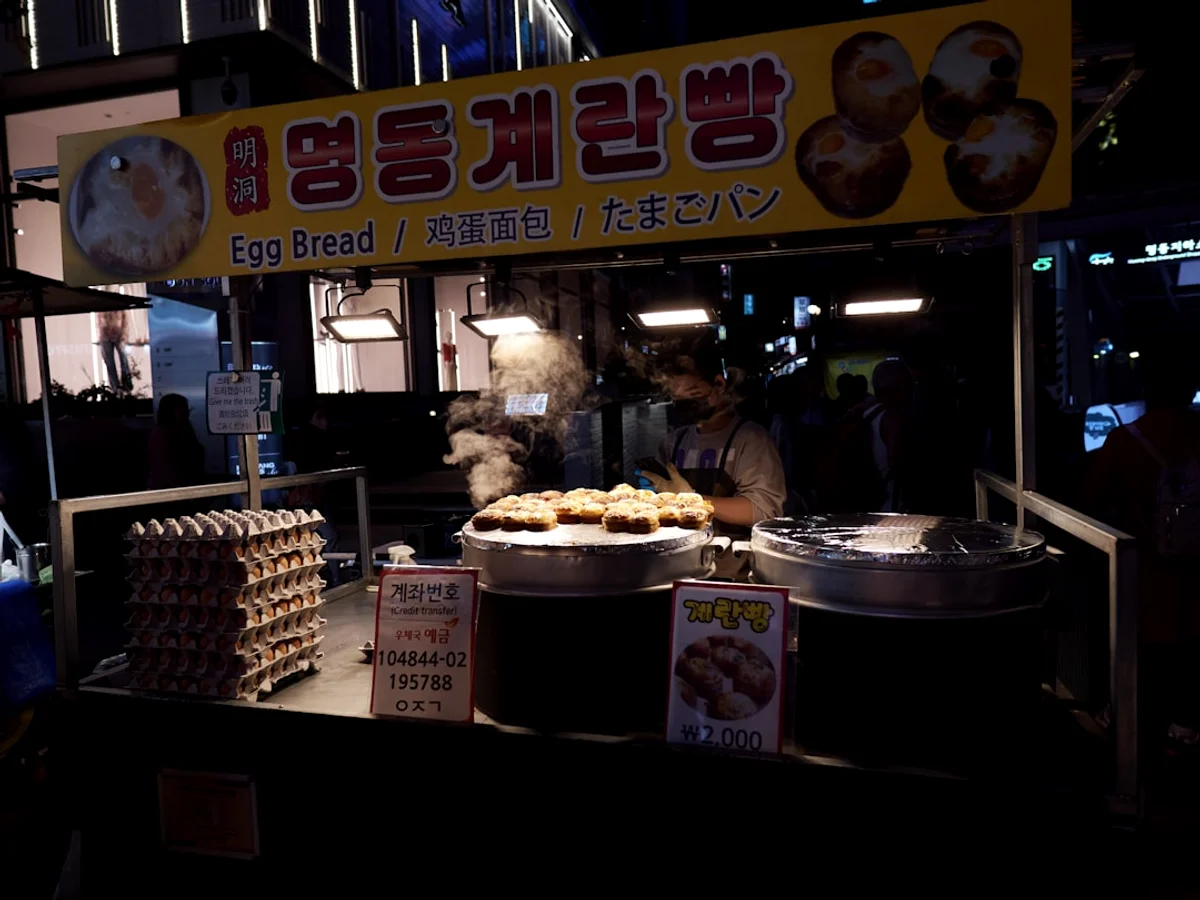
Shopping makes you hungry—it’s a fact. After hours of walking, I stumbled upon the Gwanghui-dong Central Asia Village, just a short walk from the main fashion hub. It feels like you’ve teleported out of Seoul. The signage turns to Cyrillic, and the air smells like baking bread and spices. I grabbed a samsa (meat pastry) for about 4,000 won from a Uzbek stall, and it was the perfect greasy fuel I needed. But if you want the classic Korean experience, the food stalls lining the street near Exit 14 of Dongdaemun History & Culture Park Station are legendary. I still remember freezing my face off one winter night, huddled under a tent eating Dak-kkochi (chicken skewers). The sauce was spicy enough to make my nose run, but standing there shoulder-to-shoulder with locals at 3 AM… that’s a memory I won’t forget.
How to experience Dongdaemun Night Market Guide: Shopping and Navigating the Fashion Capital like a local
Dongdaemun isn’t just a massive shopping district; it is the beating heart of Korea’s fashion ecosystem that literally refuses to sleep. Its significance lies in how it seamlessly bridges the gritty, high-speed reality of wholesale manufacturing with the polished, futuristic image of modern Seoul. You could hear the chatter of locals nearby.
A City Within a City
When I first stepped out of Dongdaemun History & Culture Park Station (Exit 1 is the best spot, by the way), the first thing that hit me wasn’t the clothes—it was the noise. It was 2 AM, yet the streets were jammed with delivery motorcycles and porters carrying massive plastic bags of merchandise. Historically, this area has been a commercial hub since the Joseon Dynasty, but what you see now is a beast of its own. It feels like a living organism where trends are born, manufactured, and sold before the rest of the world even wakes up.
- Speed of production: A design can go from a rough sketch to a finished product on the rack in under 24 hours.
- 24-Hour Culture: Unlike anywhere else I’ve been, the “day” here effectively starts at 10 PM.
- The DDP Contrast: You have the futuristic Zaha Hadid-designed DDP sitting right next to dusty, chaotic wholesale markets.
The Social Fabric
Honestly, the vibe here’s intense. You know, shopping in Myeongdong feels curated for tourists, but Dongdaemun feels raw and real. It’s socially significant because it preserves the old-school Korean market culture of heungjeong (bargaining) amidst a high-tech backdrop. I remember trying to haggle for a leather jacket in the apm Place wholesale building—my palms were sweating, but when the owner cracked a smile and knocked off 5,000 won, I felt like I’d unlocked a secret level.
- Cash is King: While cards work in malls, the real wholesale deals happen with cash in hand.
- Global Hub: You’ll hear Mandarin, Russian, and Japanese just as as Korean.
- Night Food: The smell of spicy tteokbokki at 3 AM from the yellow tents is an essential part of the experience. You can’t really understand Seoul’s “bali-bali” (hurry-hurry) culture until you’ve been nearly run over by a fabric delivery scooter here. During my visit, it’s chaotic, loud, and absolutely essential to the city’s identity.
Where can you find Dongdaemun Night Market Guide: Shopping and Navigating the Fashion Capital?
Dongdaemun isn’t just a single market; it’s a massive, sleepless ecosystem that really only wakes up when the rest of Seoul is tucking in. While the glossy malls stay open late, the real chaotic magic happens at the Yellow Tent Open Market starting around 10:00 PM and peaking well past midnight, where cash is absolutely king and the energy is frantic.
It Starts When You’re Asleep
I remember arriving at Dongdaemun History & Culture Park Station (Exit 2) around 8 PM on my first trip, thinking I’d beat the rush. Big mistake. It was barely stirring. Honestly, it felt a bit like walking into a party before the host had even put out the snacks. The real energy didn’t hit until I came back after 11:00 PM. Suddenly, the streets were choked with those iconic yellow tents, the smell of spicy tteokbokki was everywhere—seriously, the street food stalls here are life-savers at 2 AM—and the sound of packing tape ripping (the constant soundtrack of the wholesale district) filled the air. You really need to pace yourself; this isn’t a sprint, it’s a marathon that goes until 5:00 AM.
Wholesalers Don’t Play Games
There’s a tricky thing about the wholesale area (like apM Place or the outdoor tents) that catches tourists off guard. I learned this the hard way when I tried to buy a single beige trench coat that looked amazing. The ajumma (middle-aged woman) just waved me off, saying “No, two pieces.” It was blunt, but that’s just business here.
- Wholesale Zones: Places like nu:zon or the tents occasionally require buying 2+ items of the same design (sometimes different colors are okay).
- Retail Malls: Doota or Hyundai City Outlets are friendlier for single items but expect to pay about 30-40% more for the privilege.
- The Bag Piles: You’ll see massive plastic bags piled high on the sidewalks—don’t kick them! They aren’t trash; they’re merchandise waiting for international shipping agents.
Cash, Calculators, and Attitude
Cash is absolute power here. While most of Seoul is super modern with tap-to-pay, the night market vendors frown at credit cards—or they’ll slap on a 10% VAT surcharge if you insist on plastic. So, bring a stack of 10,000 KRW bills. When I tried to haggle for a leather bag, the vendor didn’t speak a word of English; he just pulled out a calculator, typed a number, and handed it to me. It’s efficient, I guess? But don’t expect the warm, fuzzy service you might get in other tourist spots. Also, watch out for the “Uncles” on motorcycles speeding through narrow alleys with mountains of clothes strapped to the back—they will not stop for you.
What to avoid with Dongdaemun Night Market Guide: Shopping and Navigating the Fashion Capital
Dongdaemun is a beast that wakes up when the rest of Seoul is tucking itself in. If you’re planning to tackle this fashion labyrinth, the first thing you need to accept is that normal rules don’t really apply here. Most shops don’t even open until 8:00 PM or 9:00 PM. The real energy—the chaotic, frantic pulse of the wholesale trade—doesn’t hit its peak until well after midnight. I remember stumbling out of a mall at 3:30 AM on my first trip, bleary-eyed and clutching a bag of socks I didn’t need, only to find the streets more jammed with delivery trucks and motorbikes than they were at noon. It was loud, it smelled like exhaust and spicy tteokbokki, and honestly? It was exhilarating.
Cash is King (No, Seriously)
You might think that in a hyper-modern city like Seoul, your credit card is a magic wand. From what I observed, well, not in the wholesale tents. While the big malls like Doota or Hyundai City Outlets definitely take cards (and tax refunds are easy there), the outdoor stalls and many wholesale vendors in buildings like apM Place or Nuzzon strictly prefer hard currency. I’d definitely recommend checking this out. The place was packed with tourists and locals alike. The vendor was willing to drop the price by 5,000 won, but when I pulled out my Visa, he just laughed and shook his head. I had to run around looking for an ATM in the freezing cold. I learned this the hard way when I found the perfect leather jacket at a yellow tent near the DDP (Dongdaemun Design Plaza). One local explained that to save yourself the headache, keep these budget tips in mind:
- Bring Cash: Carry at least 100,000 - 200,000 won in mixed bills if you plan to shop seriously at the stalls.
- The “Retail” Tax: Wholesale buildings sometimes won’t sell single items, or they’ll charge a higher “retail price” if they do.
- ATM Locations: There are ATMs inside Doota and near the subway exits, but they have long lines or high fees for foreign cards.
Reading the Room
One thing that confused me at first was figuring out who would actually sell to me. Dongdaemun is split into two worlds: the retail malls geared towards tourists/shoppers, and the wholesale giants meant for buyers stocking boutiques. This was actually better than I expected. You can walk into a wholesale building like The OT or Designer Club, but don’t expect customer service. Not gonna lie, the vibe is frantic. People are shouting orders, throwing huge plastic bags of clothes, and stepping over piles of merchandise. This was actually better than I expected. Don’t be offended if a vendor ignores you; they’re probably busy shipping 500 units to a shop in Busan. However, if you’re nice and buy two or more items, many are willing to deal. If you venture into the wholesale areas, just act confident. Personally, I think
- Check the tags: If there’s no price tag, it’s definitely negotiable (within reason).
- Smile: A little “Annyeonghaseyo” (Hello) goes a long way in breaking the ice with tired vendors.
- Inspect thoroughly: Returns are basically non-existent here. Check seams and zippers before you hand over your cash. After hours of walking, nothing hits the spot like a skewer of Dak-kkochi (chicken skewer) from a street stall. Honestly, the best part isn’t even the shopping—it’s the food. The spicy, smoky smell wafting through the cold night air is practically a siren song. Grab a spot on a plastic stool, watch the pile of merchandise bags grow on the sidewalk, and just soak in the madness. It’s raw, it’s unpolished, and it’s completely Seoul. The sound of traditional music drifted through the air.