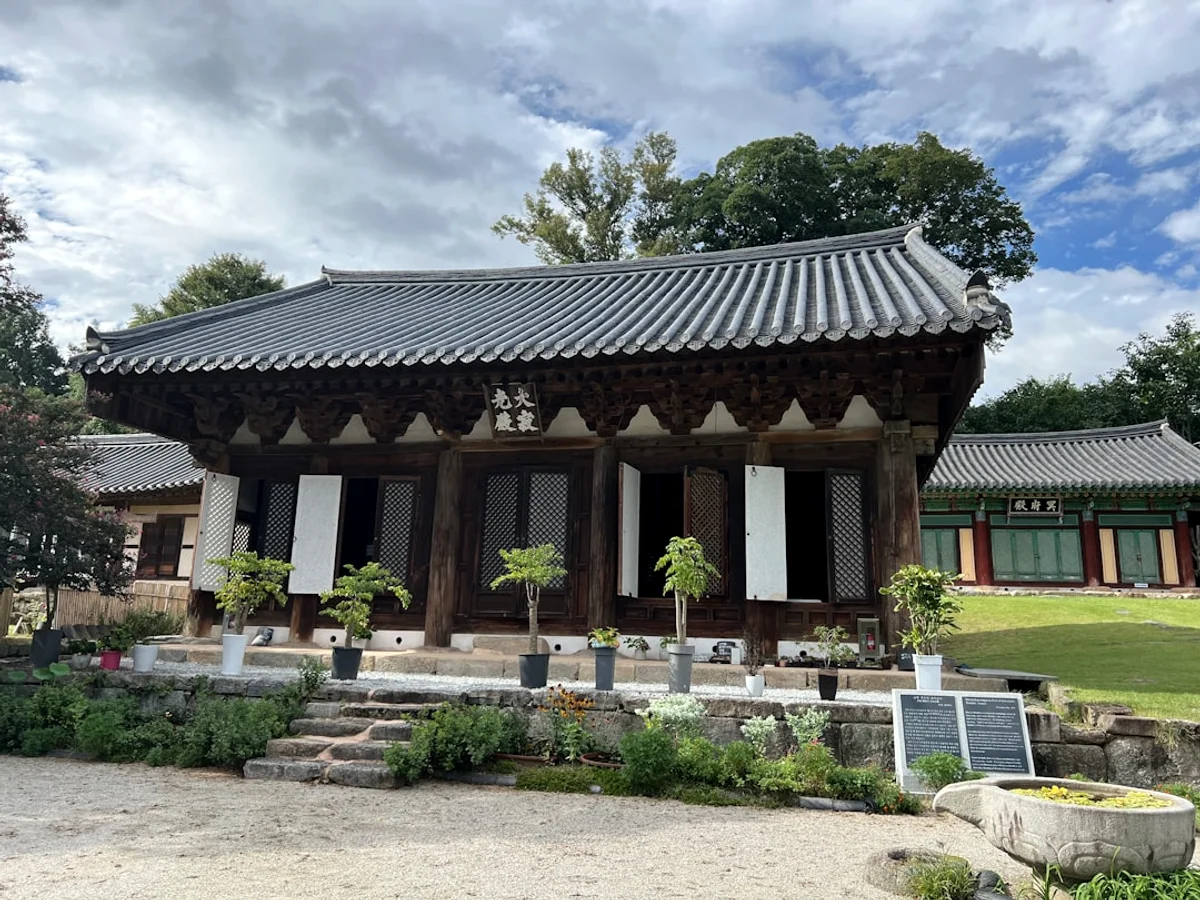
Understanding Experience Tradition: Top Hanok Stays in Bukchon and Jeonju Hanok Village
Bukchon Hanok Village offers a serene, upscale retreat right in the heart of Seoul, while Jeonju provides a bustling, immersive cultural experience famous for its food scene. Honestly? if you’re deciding between the two, pick Bukchon for quiet luxury and Jeonju for a lively weekend getaway, with prices generally ranging from 150,000 KRW to well over 400,000 KRW per night.
Bukchon: Silence in the City
Honestly, walking through Bukchon after the tourists leave is a whole different vibe. When I stayed at a small guesthouse near Anguk Station—it must have been late autumn—the first thing that hit me was the silence. You rarely get that in Seoul. I remember sitting on the maru (wooden porch) at around 8 PM, just listening to the wind chime. It felt like time travel, seriously. Most stays here are renovated with modern bathrooms, but they keep the traditional structure intact. If you want that high-end, “I’m living in a K-drama” feeling, check out places like Rakkojae or Chiwoonjung. Just be warned: the hills are no joke. I was dragging my suitcase up a steep alley panting like crazy, so maybe pack light?
- Rakkojae Seoul: Famous for its yellow mud sauna and cypress bath.
- Bukchon Maru: Offers a fantastic homemade Korean breakfast.
- Gowoondang: A bit more affordable, great for solo travelers.
Jeonju: The Lively Heart of Tradition
Jeonju is… intense, but in a good way. The moment you step into the village, you’re hit with the smell of grilled skewers and street food. It’s crowded, loud, and full of energy. I stayed at a place right in the center, and the ondol (floor heating) was so effective I actually woke up sweating in the middle of the night—it was toasty! You know, the thing about Jeonju stays is that they feel more communal. You might hear your neighbors laughing through the paper walls, but that’s part of the charm.
- Most stays provide traditional bedding (yo and ibul), not western beds.
- Breakfast is often simple: toast, fruit, or sometimes a light Korean meal.
- Location matters: stays on the outskirts are quieter, but central ones save walking time.
A Few Things to Keep in Mind
One thing nobody tells you? The bathrooms can be tiny. I mean, really small. In many budget Hanoks, the shower head is attached to the sink faucet, so the whole room gets wet when you shower. It’s a bit of a shock if you’re used to spacious hotels, but you get used to it. Also, booking can be a headache if you don’t speak Korean, as many smaller places aren’t on major booking sites. I usually have to use Naver Maps or Airbnb to find the hidden gems. Oh, and bring earplugs. Seriously. The wooden structures are beautiful, but sound travels through them like you wouldn’t believe.
Seasonal considerations for Experience Tradition: Top Hanok Stays in Bukchon and Jeonju Hanok Village
Spring and autumn are arguably the most photogenic times to visit, but here’s the catch: everyone else knows it too. If you’re aiming for April (cherry blossoms) or late October (foliage), you absolutely need to book at least 3 to 4 months in advance. I still remember trying to snag a room in Jeonju Hanok Village during the peak autumn season; I hesitated for maybe two hours, and by the time I clicked “confirm,” the room was gone. It was like, brutal.
The Secret Magic of Winter
Honestly, though? I think winter is the unheralded winner here. Korean winters are harsh—the wind cuts right through your padded coat—but that’s exactly why the traditional floor heating system, known as ondol, feels like absolute heaven. There’s this vivid memory I have of waking up in a Hanok in Bukchon in January; the air in the room was crisp and freezing, seeing my breath and all that, but my back was toasty warm against the floor mattress. It’s the coziest feeling in the world. Just be warned that older Hanoks can be drafty, so bring warm pajamas.
- December to February: Best for the full ondol experience.
- Summer (July-August): Can be intensely humid. Look for places with modern A/C—the traditional wooden maru floors are cool to the touch, but they can’t fight 90% humidity alone.
- Monsoon Season (late June-July): The sound of rain hitting the tiled roof (giwa) is romantic for about an hour, then it just gets damp.
Beating the Crowds
One thing you have to understand about Bukchon Hanok Village specifically is that it’s not a movie set—real people actually live there. I learned this the hard way when a resident politely but firmly shushed me for laughing too loud with a friend at 9 PM in an alleyway. To really appreciate the atmosphere without the “overtourism” vibe, you have to adjust your clock.
- Wake up early, around 7:00 AM.
- Wander the alleys while the streets are empty and the light is soft.
- Head back to your accommodation for breakfast right as the first tour buses start unloading around 10:00 AM.
Top locations for Experience Tradition: Top Hanok Stays in Bukchon and Jeonju Hanok Village
Koreans don’t just see Hanoks as old buildings; they serve as emotional anchors in a hyper-fast, high-tech society that sometimes feels a bit breathless. It’s really about reconnecting with a slower rhythm of life, distinct from the frantic energy of Seoul’s skyscrapers, where the warmth of the ondol floor literally melts away the stress of modern living.
More Than Just a Roof Over Your Head
Word of advice: but the moment I stepped into the wooden gate of the guesthouse, the city noise just… Honestly, when I first walked up the steep, winding incline of Bukchon Hanok Village around 2 PM, I was sweating bullets and questioning my life choices. vanished. It wasn’t silent, exactly—you could hear the wind chimes clinking and the faint sound of a neighbor washing dishes—but it felt grounded. From personal experience, historically, these houses were designed to breathe with nature, but even in the middle of the city, the architecture forces you to slow down. The air circulation. I thought I’d be stifled sleeping on the floor, but the wooden rafters and clay walls regulate humidity perfectly. You know what surprised me? It feels organic, unlike the recycled air of a hotel chain. I wasn’t completely sold on this. Best to visit in the morning, around 10 AM.
- Ondol (floor heating): There is absolutely nothing like roasting your back on a hot floor after a winter walk—it’s the ultimate therapy.
- Maru (wooden porch): Sitting here with an iced coffee creates a natural cooling effect in summer, no AC needed.
- Madang (courtyard): It forces you to look up at the sky, a view often blocked by apartment complexes.
The “Newtro” Vibe and Social Bonding
Okay, let’s be real for a second. A huge part of the appeal lately, especially for the younger crowd in Jeonju Hanok Village, is the aesthetic. It’s part of the “Newtro” (New + Retro) craze — i remember seeing couples everywhere dressed in hanbok, taking photos against the stone walls. I tried it once—felt a bit awkward at first, I admit—but walking through those tiled roofs in traditional clothes actually changes your posture. You walk slower, and you look around more. But beyond the Instagram shots, there’s a social glue here. Staying in a Hanok is rarely a solo activity. When I went with friends to a small stay near Gyeongbokgung, we ended up talking until 2 AM just because there wasn’t a giant 60-inch TV dominating the room. The energy there was infectious. The space creates intimacy. You share the courtyard, you share a bathroom (which, let’s be honest, can be the only downside). You share the experience of just being. It brings people together in a way a Standard Double Room at a business hotel never could. Personally, I think The view from there was actually stunning.
How to enjoy Experience Tradition: Top Hanok Stays in Bukchon and Jeonju Hanok Village
If you’re hunting for the absolute best traditional stays, you basically have two main contenders: Seoul’s Bukchon Hanok Village and the massive Jeonju Hanok Village down south. What stood out was bukchon is great for a luxurious city break with a view, while Jeonju is where you go if you want to eat your weight in street food and sleep on a heated floor without ever leaving the historic zone. The view from there was actually stunning.
Seoul’s Hillside Gem: Bukchon
When I first tried to find my guesthouse in Bukchon, I actually walked past the entrance three times. The alleys in Gahoe-dong are incredibly narrow and winding, which is part of the charm, I guess. Honestly, staying here feels a bit like hiding in plain sight. You’re just minutes away from the chaotic Gwanghwamun Plaza, yet once you step through those wooden gates, the silence is startling. Most of the high-end stays are clustered around the top of the hill, offering views that—you know, just make the steep climb worth it. I still remember sitting on the wooden porch, watching the modern city lights flicker in the distance while my feet were toasty warm on the ondol floor.
- Rakkojae Seoul: If you want to splurge (think 300,000+ KRW a night), this is where you go. They have this private mud sauna that smells earthy and wonderful.
- Bukchon Maru: A bit more approachable and family-run. The owner’s homemade kimchi at breakfast was spicy, crisp, and honestly better than what I had at restaurants.
- Chiwoonjung: It used to be the home of a former president’s family, so the vibe is incredibly regal.
The Foodie Capital: Jeonju
Now, Jeonju is a different beast entirely. It’s flatter, louder, and frankly, the air just smells amazing because of all the street food stalls lining the main strip. I visited in late autumn, and the aroma of grilled skewers and hotteok was everywhere. The Jeonju Hanok Village is dense, with over 700 traditional houses packed together. While the main drag can feel a bit too commercialized for my taste (so many souvenir shops), the real magic happens when you venture to the edges of the village. It’s less crowded and you actually wake up to birds chirping rather than tourists chatting. If you want something quieter, head towards the Gyo-dong area near the Confucian school. Fun fact: one thing that annoyed me slightly was the noise isolation in some cheaper places—paper walls are authentic, but they don’t block snoring!
- Look for stays with a “Madang” (courtyard)—sitting there at night with a beer is the highlight.
- Book at least 2 months in advance for weekends; I learned this the hard way and ended up in a motel outside the village once.
- Check if they offer pick-up service from Jeonju Station since the taxi line there can be brutal on Friday afternoons.
Why do Koreans love Experience Tradition: Top Hanok Stays in Bukchon and Jeonju Hanok Village?
Old Charm, New Comforts
When I booked my first Hanok stay in Bukchon, I honestly panicked a bit. I thought I’d be using an outhouse or freezing at night. Totally wrong. Most places now have modern en-suite bathrooms, air conditioning, and super strong Wi-Fi. I stayed at a place just a ten-minute walk from Anguk Station—cost about 150,000 KRW a night—and the mix of the old pine wood smell and the sharp beep of the electronic door lock was kind of surreal. You get the 600-year-old aesthetic without the inconvenience, which is exactly my jam. The aroma of freshly cooked food filled the air.
- Ondol heating: The floor gets toasty warm, usually set around 25°C in winter.
- Mattresses: They use yo (traditional bedding), but many hosts now provide thicker foam for foreigners.
- Security: Most use digital keypads, so no worrying about losing an ancient iron key.
More Than Just Sleeping in Jeonju
If you head down to Jeonju Hanok Village, it’s not just about the room. It’s about the whole “lifestyle” cosplay, basically. You’ll see everyone walking around in Hanbok, and your host will probably encourage you to join in. The view from there was actually stunning. But then I saw a grandma nodding at me, and I felt like I belonged. The silk felt cool against my skin, totally different from my sticky jeans. I remember renting a bright blue set—felt a bit silly at first, walking out the gate. Not gonna lie, this was pretty impressive.
- Rent a Hanbok: here costs 10,000 to 20,000 KRW for 4 hours; look for shops on Taejo-ro.
- Morning Tea: Many hosts offer a free tea ceremony around 8:00 AM.
- Photos: Go out before the crowds hit at 10 AM.
The Paper-Thin Reality
One thing you gotta remember: the walls are literally made of paper (Hanji). So, sound travels, and like, really travels. I learned this the hard way when I tried to pack my suitcase at midnight—the zip-zip sound echoed like crazy, and I’m pretty sure I woke up the couple next door. Whoops, and it forces you to change how you move. You stop stomping and start gliding. I was there for about 2 hours.
- Leave your shoes on the stepping stone or lower entryway.
- Keep voices down after 10 PM—it’s a strict rule in most residential Hanoks.
- Don’t drag rolling luggage on the wooden maru (porch); lift it up.
Pitfalls to avoid
Trying to decide between Bukchon and Jeonju mostly comes down to your budget and how much you value silence versus street food. Bukchon offers a high-end, quieter “noble scholar” atmosphere right in Seoul, while Jeonju feels more like a bustling, open-air folk village centered entirely around eating.
Bukchon’s Quiet Luxury
When I first stayed in Bukchon, I was actually afraid to cough too loud at night. Seriously, the walls can be thin, and since it’s a real residential neighborhood, there’s this heavy, unwritten rule about keeping your voice down after sunset. It feels less like a tourist trap and more like living in a history museum, which is cool, but maybe not if you want to stay up late chatting. Prices here here start around 200,000 KRW per night for a decent place, so it’s definitely a splurge compared to other areas.
- Check-in times are occasionally stricter here (sometimes strictly between 3 PM and 8 PM).
- Most hosts speak decent English, but don’t expect 24/7 hotel concierge service.
- The hills are no joke—if you have heavy luggage, double-check if the stay offers a pickup service or is near the main road.
Jeonju: Eat, Sleep, Repeat
Jeonju is a totally different beast. As soon as you step into the village, the smell of grilled skewers and sweet hotteok just hits you—it’s impossible to ignore. I remember sitting on the wooden maru (porch) of my guesthouse watching people stroll by in colorful Hanboks, and it felt like a movie set, honestly. The vibe is way more casual and festive than Seoul. You can find solid stays here for 80,000 to 120,000 KRW, which leaves you more cash for the endless street food.
- Ondol floors are hard; if you have back issues, explicitly ask for “extra bedding” (yibul) when booking.
- Weekends are chaotic; try to book for a Tuesday or Wednesday if you want any peaceful photos.
- Look for the official “Hanok Stay” certification logo on booking sites to avoid newly built concrete houses pretending to be old.
A Reality Check
Look, sleeping on the floor isn’t for everyone. My back was definitely complaining the next morning, but the experience of opening those paper doors and seeing the curved tiled roof framing the sky? That was worth the stiffness. You don’t book a Hanok for luxury hotel comfort; you book it for the smell of old wood and the feeling of slowing down. Just, you know, maybe bring some ibuprofen just in case.