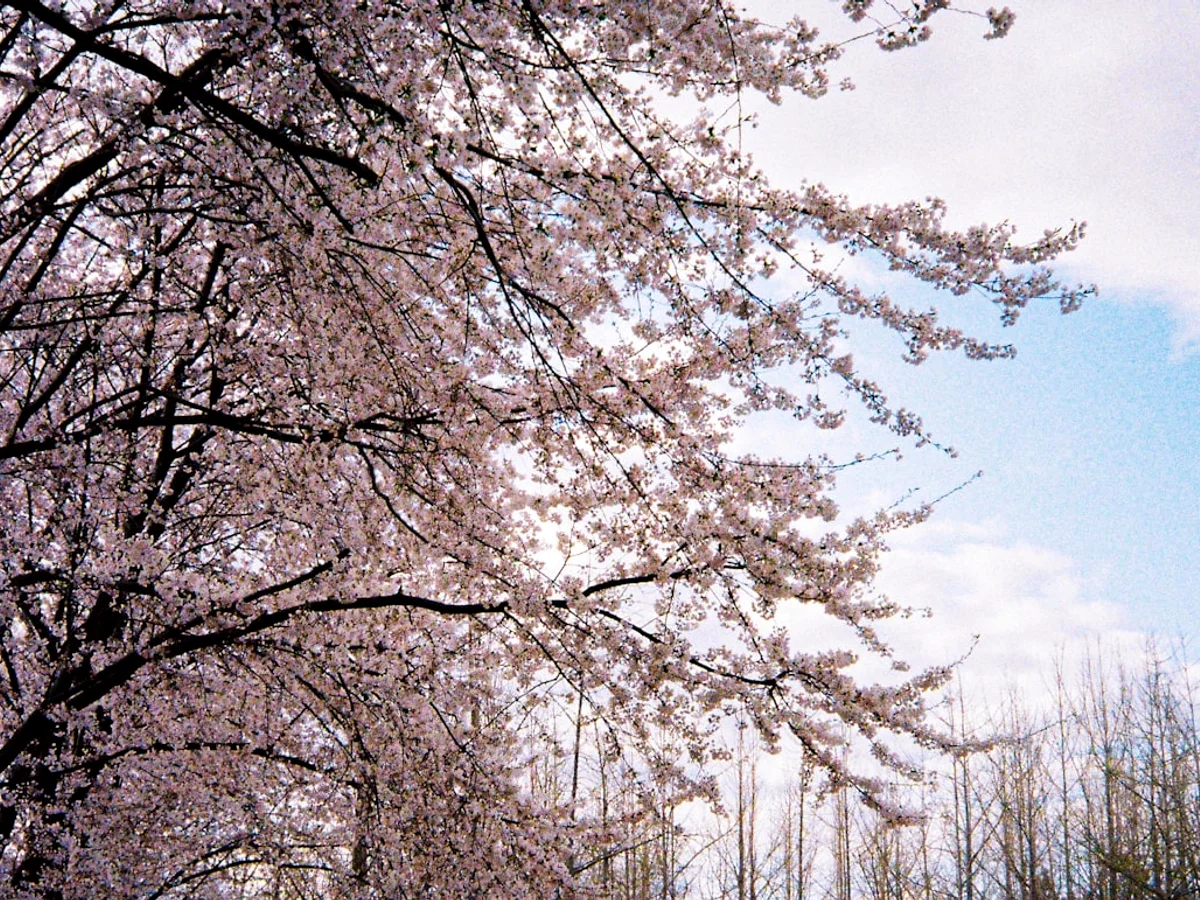
Understanding Korea Cherry Blossom Travel Guide: Jinhae Gunhangje and Gyeongju Marathon
If you want to see the absolute peak of spring in Korea, you have to look south to Jinhae and Gyeongju. It’s not just about looking at flowers; it’s about the massive scale of the Jinhae Gunhangje Festival—imagine 360,000 trees blooming at once—and the unique energy of running (or walking) through history during the Gyeongju Marathon. Honestly, nothing in Seoul compares to the sheer density of petals you’ll find down here. It was surprisingly quiet despite the crowds.
More Than Just Pretty Pictures
It wasn’t just a few trees lining a street; the entire city felt pink. The Yeojwacheon Stream is famous for a reason, but honestly, it gets incredibly crowded around 2 PM. When I first stepped off the bus in Jinhae, the smell of street food mixed with floral notes hit me instantly. I found myself shoulder-to-shoulder with thousands of people, but looking up at that canopy made it worth the squeeze. You know what surprised me? — the military aspect. Not gonna lie, since Jinhae is a major naval port, the festival is actually a commemoration of Admiral Yi Sun-shin, not just a flower show.
- Romance Bridge: Best for photos, but go at dawn (around 6:30 AM) to avoid the crush.
- Gyeonghwa Station: The train cutting through the blossoms is iconic, but the tracks are uneven, so watch your step.
- Naval Base Access: Only open during the festival, usually 9:30 AM to 4:30 PM.
Running Through a Museum Without Walls
Moving over to Gyeongju, the vibe shifts completely. What nobody tells you is it’s less of a party and more of a communal celebration of history and health. I ran the 10K there a couple of years back—well, mostly jogged—and the route is stunning. You aren’t just running on asphalt; you’re passing Cheomseongdae Observatory and ancient tumuli mounds while pink petals rain down on you. Locals mentioned that it feels surreal, almost like running through a movie set. The only downside was the traffic getting into the city afterwards; it was a parking lot. Personally, I think this is worth it.
- Register early—spots for the marathon fill up by early December.
- The cherry trees here are often older and taller than in Seoul.
- Accommodations in the Hwangnidan-gil area vanish months in advance, so book by January.
The Korean “Spring Fever”
There’s this intense urgency in Korea during blossom season that I haven’t seen elsewhere. It’s like everyone knows these flowers only last about a week, maybe ten days if the wind is kind. You’ll see grandmothers, couples, and exhausted office workers all stopping to take the exact same photo. It’s charming, really. What stood out was people bring picnic mats to parks, drinking warm beer and eating gimbap, just soaking up the sun before the humid summer hits. If you miss the peak bloom, don’t worry too much—the “cherry blossom rain” when the petals fall is arguably even more beautiful than the full bloom itself. I’d pick this over other options any day.
A guide to Korea Cherry Blossom Travel Guide: Jinhae Gunhangje and Gyeongju Marathon
Spring in Southern Korea isn’t just a season; it’s a full-blown cultural event where the entire country seems to pause for a few weeks of pink-hued chaos. If you’re heading down for the Jinhae Gunhangje Festival or the Gyeongju Marathon, expect massive crowds, incredible photo ops, and a festive energy that’s honestly contagious. I’d say Weekday afternoons are less crowded.
The Reality of “Romance” in Jinhae
You’ve probably seen the photos of Yeojwacheon Stream—the famous “Romance Bridge”—on Instagram, looking serene and empty. Well, let me tell you, getting that shot requires either superhuman patience or waking up at 5:00 AM. When I first visited, I arrived around 10 AM, and it was shoulder-to-shoulder traffic on the wooden deck. But you know what? It didn’t matter. The canopy of cherry blossoms overhead is so thick it blocks out the sky, creating this surreal tunnel of white and pink that smells faintly of spring rain and sweet street food. One thing you absolutely can’t miss is the Naval Academy opening its base to the public. It only happens during the festival. The festival actually started as a memorial for Admiral Yi Sun-sin, so it’s got this unique mix of solemn history and modern party vibes. This was actually better than I expected. It’s right by exit 3.
- Walk the tracks at Gyeonghwa Station: It’s no longer an active station, but the train parked there makes for a classic backdrop.
- Try the Cherry Blossom Bread: Sold for about 3,000 won, it’s shaped like a flower and filled with sweet red bean or pink cream.
- Catch the Military Band Parade: Usually kicks off on the first Friday evening.
Sweating it Out in Gyeongju
If Jinhae is about looking, the Gyeongju Cherry Blossom Marathon is about moving. Don’t worry if you aren’t an elite runner—honestly, half the participants in the 5km and 10km courses are just there to walk and take selfies under the trees. Running past the ancient Silla tombs while pink petals rain down on you is an experience I haven’t found anywhere else. The atmosphere is less “serious competition” and more “giant neighborhood block party.” The last time I ran the 10km, there were elderly locals cheering with drums and handing out water (and sometimes Choco Pies) along the route near Bomun Lake. One local explained that just remember to register early—spots here open in December and fill up by February.
How to Blend In (and Not Be “That” Tourist)
Koreans take their flower viewing, or kkotnori, very seriously. It’s not a passive activity. You’ll see groups setting up silver mats under the trees as early as 8 AM to stake out prime real estate. The modern twist? You don’t need to pack a lunch. You can literally order fried chicken or pizza to be delivered to a specific park entrance or even a designated tree zone.
- Don’t shake the branches: It’s tempting to create a “petal rain” for a video, but locals frown on it heavily. Let the wind do the work.
- Bring a mat: Essential for the Gyeongju lakeside picnics after the run.
- Dress in layers: Southern Korea gets warm by noon (around 18°C), but the mornings are still freezing. The only downside was trying to catch a taxi after the events. What nobody tells you is it was a nightmare. I’d pick walking 30 minutes back to the terminal over waiting in that line again any day. If you ask me,
Best time for Korea Cherry Blossom Travel Guide: Jinhae Gunhangje and Gyeongju Marathon
To catch the cherry blossoms at their absolute fluffiest, you really need to target the window between March 25th and April 5th. Between us, it’s a notoriously short season—often just 7 to 10 days of peak bloom—so timing is everything, and honestly, a bit of luck with the rain is required too. Entry was around $15.
Chasing the Pink Snow in Jinhae
You know, pinning down the exact dates for the Jinhae Gunhangje Festival is always a bit of a gamble. I remember one year planning my trip for April 2nd, convinced it would be perfect, only to find that an unusually warm March had triggered an early bloom, and half the trees were already sprouting green leaves. It was still pretty, sure, but not that cloud-like canopy I was dreaming of. The festival officially runs for about 10 days, but the flowers don’t care about the official schedule.
- Check the forecasts daily: Starting mid-March, Korean weather sites update the “flowering map” constantly.
- Be flexible: If you can, leave your intercity travel dates open until about a week before.
- Watch out for rain: One heavy rainstorm can end the season overnight. I learned this the hard way when a Tuesday downpour stripped the trees bare before my Wednesday arrival.
Surviving the Crowds and the Marathon
If you’re heading to Gyeongju for the Cherry Blossom Marathon, which here falls on the first Saturday of April, expect the city to be absolutely buzzing—and packed. The vibe is electric, honestly. Running (or just walking) under a tunnel of falling petals is magical, but the traffic? A nightmare. I once spent an hour just trying to get out of the terminal parking lot. The key is to embrace the early mornings.
- Yeojwacheon Stream (Jinhae): Get there by 6:30 AM. Seriously. By 9:00 AM, the “Romance Bridge” is just a bridge of people’s heads.
- Gyeongju Historic Areas: Visit late at night. The lighting around Donggung Palace after 8:00 PM is spectacular and way less crowded than the daytime rush.
- Accommodation: Book months in advance for marathon weekend. I paid 150,000 won for a motel room that costs 50,000 won because I waited until March. When I walked along the train tracks at dawn, it was dead silent except for a few shutters clicking from serious photographers. You could actually smell the faint, sweet scent of the blossoms before the aroma of corn dogs and roasted chestnuts took over the streets later in the day. There’s something really special about the early morning air in Jinhae, though. It felt like a completely different place compared to the chaotic energy of the afternoon. I’d pick this over other options any day.
Where can you find Korea Cherry Blossom Travel Guide: Jinhae Gunhangje and Gyeongju Marathon?
To be honest, looking for the “perfect” guide to these festivals is a bit like chasing the wind—the real location is simply wherever the flowers happen to be blooming in the southern Gyeongsang provinces during that fleeting window from late March to early April. What stood out was specifically, you need to head down to the naval port city of Jinhae (now part of Changwon) for the Gunhangje, and the ancient capital of Gyeongju for the marathon, both located about 4-5 hours south of Seoul. It’s right by exit 3.
Jinhae: More than just a photo op
When people talk about cherry blossoms in Korea, they picture the Yeojwacheon Stream in Jinhae. I still remember my first trip there; I arrived at the crack of dawn, maybe around 6:30 AM, thinking I’d beat the crowds. Well, joke was on me—there were already photographers staked out with tripods on the famous “Romance Bridge.” But honestly? It was pretty worth the sleep deprivation. The sheer density of the trees there creates this canopy that literally blocks out the sky. If you’re heading to the Gunhangje Festival, you have to be strategic about your movements because the traffic can be absolutely gridlocked. During my visit, i’d recommend skipping the main rotary during peak hours and checking out these spots instead:
- Gyeonghwa Station: It’s no longer an active station, but walking along the tracks with the stopped train is iconic. Just watch your step on the gravel.
- Jinhae NFRDI Environment Eco-Park: A bit quieter, perfect for just sitting down with a coffee.
- Anminogae Hill: The drive up here offers a view of the pink-covered city meeting the blue ocean, which is just unreal.
The Gyeongju Vibe
Gyeongju feels completely different. While Jinhae is intense and bustling, Gyeongju has this open, museum-without-walls atmosphere that feels almost dreamlike in spring. I ran the Cherry Blossom Marathon a couple of years back—well, “ran” is a generous term, I mostly jogged and stared at the trees—and the route along Bomun Lake was spectacular. The thing is, you don’t even need to be a runner to enjoy it. The entire city, especially around the Daereungwon Tomb Complex, turns pink. One tip that saved my trip: don’t rely on taxis in Gyeongju during the marathon weekend. What surprised me was they’re impossible to flag down. Renting a bicycle near the express bus terminal—here costs about 10,000 to 15,000 won for the day—is the smartest move you can make. The wind hitting your face as you ride past the ancient tumuli? Best feeling in the world. There’s this distinct scent that hits you.
Escaping the Madness
If the idea of shoulder-to-shoulder crowds makes you twitchy, you might want to look slightly outside the main event zones. Everyone flocks to the main streets, but I found some of the best views were just… random side streets in residential areas. In Jinhae, wandering into the older neighborhoods away from the festival plaza revealed these beautiful, quiet streets where petals were piling up like snow on the sidewalks, and the only sound was the distant hum of the festival. It felt like I had stumbled onto a secret. Sometimes the best “guide” is just getting a little lost on purpose.
Why do Koreans love Korea Cherry Blossom Travel Guide: Jinhae Gunhangje and Gyeongju Marathon?
Koreans treat the arrival of cherry blossoms less like a botanical event and more like a collective deep breath after holding it in all winter. It’s a national signal that the brutal cold is finally over, turning cities like Jinhae and Gyeongju into massive, petal-filled parties where the fleeting beauty of the flowers creates a “now or never” urgency to celebrate life.
The Instagram Reality vs. The Feeling
Honestly, when I first visited the Yeojwacheon Stream in Jinhae, I was shocked by the sheer density of humanity. I went around 2 PM on a Saturday, which was a rookie mistake. You couldn’t walk; you just sort of floated along with the tide of couples in matching beige trench coats. But here’s the thing: despite the elbows and the selfie sticks, the vibe is strangely infectious. It’s a shared acknowledgement that spring has arrived.
- The “Flower Rain” (Kkotbi): Standing under a tree when the wind blows and petals fall like snow is magical, even if one lands in your coffee.
- Start of the Social Calendar: It marks the unofficial beginning of outdoor drinking and picnic season.
- Ephemeral Beauty: Knowing the petals only last about 7 to 10 days creates a specific “fear of missing out” that drives the entire country south.
History Meets Modern Chaos
Jinhae’s festival actually started as a memorial service for Admiral Yi Sun-sin, a national hero, but over time it morphed into this massive pink explosion. The scale is hard to wrap your head around until you’re there—there are reportedly 360,000 cherry trees in this one naval city. It’s absurd in the best way. I remember standing near the Gyeonghwa Station tracks, waiting for that iconic train shot. The air smelled like cotton candy and dust, but a local ajumma next to me laughed and said, “you think this is crowded? Wait until the night lights turn on.” She was right. The traffic getting into the city can take 3 to 4 hours from nearby cities on a bad day, but people endure it. Why? Because watching the petals drift onto the gray naval base asphalt creates this weirdly perfect contrast between military rigidity and soft nature that you just don’t see anywhere else. Budget about $20-30 for the experience.
Why Run When You Can Walk?
Then there’s Gyeongju. If Jinhae is for photos, Gyeongju is for soaking it in while your lungs burn. The Cherry Blossom Marathon isn’t just for elite athletes; it’s a massive social event where half the participants seem to be there for the vibes rather than a personal best.
- Running Through a Museum: You aren’t staring at skyscrapers; you’re jogging past royal tombs (tumuli) and ancient observatories dating back to the Silla dynasty.
- The Bomun Lake Loop: This part of the course is stunning, though the wind off the lake can be biting.
- Post-Run Makgeolli: Let’s be real—the actual finish line is the savory pancake and rice wine restaurant afterwards. I signed up for the 10km run a few years back thinking it would be a breeze. It wasn’t. But around the 7km mark, feeling like my legs were turning to jelly, a group of elderly volunteers on the roadside cheered me on so loud I couldn’t help but sprint. That communal energy, mixed with the pink canopy overhead, is something a guidebook can’t really explain. You just have to feel it.
Tips for Korea Cherry Blossom Travel Guide: Jinhae Gunhangje and Gyeongju Marathon
Planning a trip to see the cherry blossoms in the south isn’t just about showing up—it’s a logistical sprint. Honestly? if you think you can just book a train ticket a few days before, well, you’re going to be disappointed. Not gonna lie, this was pretty impressive. When I first tried to visit Jinhae, I naively waited until March to look for KTX tickets. Big mistake. They were sold out instantly. You need to be on the Korail site exactly one month in advance, occasionally at 7:00 AM KST, ready to click. The aroma of freshly cooked food filled the air.
Timing Your Visit
Everyone talks about the “Romance Bridge” at Yeojwacheon Stream, right? It’s pretty much stunning, but honestly, visiting at 2 PM on a Saturday is a nightmare. I could barely move my arms because of the crowd. The real magic happens when you go against the grain. My favorite memory is actually wandering the streets of Jinhae at 6:00 AM. The air was crisp, the light was soft, and it was just me and the locals opening up their shops.
- Early Morning (before 8 AM): Best for photos at Gyeonghwa Station without heads blocking your shot.
- Late Night (after 9 PM): The LED lights at the stream create a moody, romantic vibe, though the street food stalls might be closing up.
- Weekdays: If you can manage a Tuesday or Wednesday visit, the crowds are manageable—maybe 30% less chaotic than the weekend.
The Gyeongju Marathon Reality
Now, about the Gyeongju Marathon. You don’t actually have to be a serious runner to do this. I signed up for the 5km walk just to soak in the atmosphere, and it was barely a workout. It felt more like a massive block party under pink clouds. The wind blew, and petals were literally raining on us—it felt like a scene straight out of an anime. One thing I wish I knew? The traffic leaving Gyeongju immediately after the race is horrendous. I was stuck on a bus for nearly two hours just trying to get to the express terminal.
Essential Survival Gear
Don’t rely on Uber here. You absolutely need Kakao T installed. Even if you don’t speak Korean, the app works wonders for hailing cabs in these chaotic festival zones where flagging one down is impossible. Also, cash is king for the street food. I know, Korea is super digital, but those vendors selling cherry blossom bread (hwangnam-ppang) or tornado potatoes occasionally prefer cash or bank transfers. About 30,000 won in mixed bills should save you from hungry disappointment.