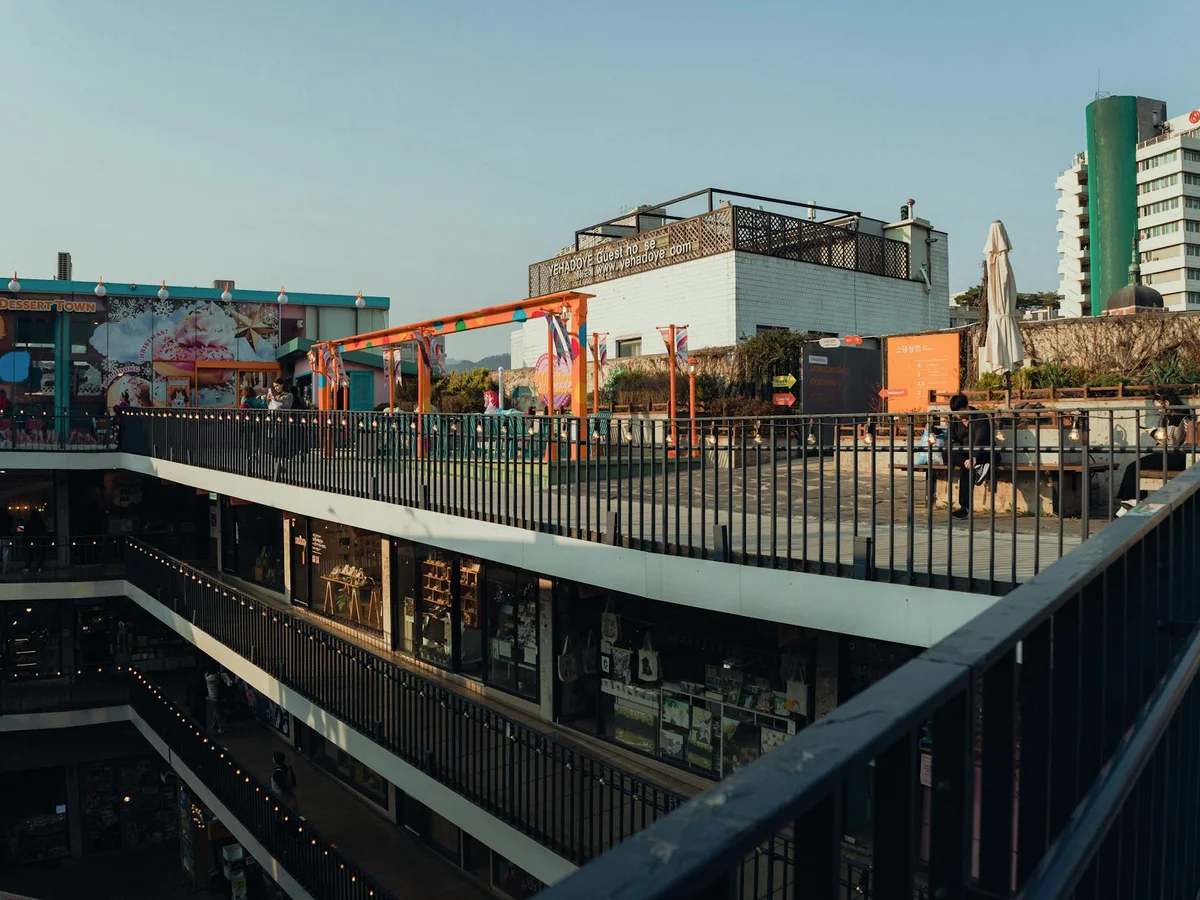
Understanding Seoul Underground Shopping Mall Guide: Goto Mall and Gangnam Station
Seoul’s underground shopping malls are massive, sprawling labyrinths located directly beneath major subway intersections where fashion, food, and culture collide. The funny thing is, they offer a climate-controlled sanctuary where you can find everything from 10,000 won trendy tops to high-end home decor without ever stepping foot outside.
The Subterranean Lifestyle
When I first moved to Seoul, I didn’t quite get why everyone was disappearing into the ground. It felt like some secret society was meeting beneath the asphalt. But then I visited Goto Mall (Gangnam Terminal Underground Shopping Center) around 2 PM on a rainy Tuesday, and it all clicked. The sheer scale of it is overwhelming—we’re talking about nearly a kilometer of shops. It’s not just a mall; it’s a vital artery of the city. For locals, it’s where you go to grab a last-minute outfit for a date or a cheap pair of socks because yours got soaked in a puddle.
- Express Bus Terminal (Lines 3, 7, and 9): Home to the legendary Goto Mall.
- Gangnam Station (Line 2 and Sinbundang Line): Targeted towards a younger, student-heavy crowd.
- Operating Hours: Generally 10:00 AM to 10:00 PM, though individual shops vary. Honestly, I was surprised by how the atmosphere shifts as you move through the aisles. One minute you’re surrounded by vibrant phone cases, and the next, you’re in a quiet zone filled with artificial flowers and expensive-looking vases. I still remember getting lost for forty minutes trying to find Exit 8-1. It’s this weird, wonderful mix of chaos and organized retail that makes the Seoul underground experience so unique. Not gonna lie, this was pretty impressive.
Why It Matters to the Seoulite
The thing is, Seoul is a city that never stops, and the weather here can be pretty brutal. Between the humid “monsoon” summers and the bone-chilling winters, these underground spaces are a godsend. They provide a stable environment where the prices don’t fluctuate as much as they do in the fancy boutiques of Sinsa-dong. You see everyone here—grandmothers looking for sturdy hiking gear and teenagers hunting for the latest K-pop inspired skirts.
- Accessibility: You literally walk off the train and into a shop.
- Affordability: Most items are priced between 10,000 won and 30,000 won.
- Variety: It’s not just clothes; it’s bedding, kitchenware, and skincare too. You start to notice the “uniform” of the season. If three shops are displaying a specific shade of sage green, you can bet half the women in Seoul will be wearing it by next week. I’ve spent many afternoons just people-watching while nursing a 2,000 won iced Americano. From personal experience, it’s the fastest fashion cycle I’ve ever witnessed, and it happens right there under the street.
The importance of Seoul Underground Shopping Mall Guide: Goto Mall and Gangnam Station
These malls are the backbone of Korea’s “fast fashion” reputation, acting as a bridge between high-end runway trends and the everyday consumer. Historically, they grew out of civil defense shelters and transit hubs, evolving into cultural landmarks that represent the city’s drive for efficiency and convenience. I was there for about 2 hours.
Modern Relevance and Trends
Why do these places still thrive in the age of online shopping? Well, it’s the “see it, buy it, wear it” mentality. In Korea, we call it Palli-palli (hurry-hurry) culture. You can’t wait two days for shipping when you have a party tonight. I remember seeing a specific type of oversized blazer on a popular K-drama on a Monday, and by Wednesday, Gangnam Station underground was flooded with them. It’s incredible.
- Fastest trend adoption: New stock often arrives daily.
- Social Hubs: People meet at the “big clock” or specific exits to start their day.
- Economic Barometer: You can tell how the economy is doing by how many shopping bags people are carrying here. 솔직히 말하면 (To be honest), the quality can be hit or miss. But that’s part of the charm! — you’re looking for that diamond in the rough. I once found a heavy wool coat for 50,000 won that looked like it cost ten times that. From personal experience, the importance lies in this democratization of style. Everyone gets to look “cool” regardless of their bank balance.
Cultural and Historical Roots
The history of these malls is actually quite practical. Seoul is densely populated, and after the Korean War, the city needed to maximize every square inch of space. Building “down” was just as important as building “up.” Over time, these transit tunnels became the heart of the community. Have you ever noticed how the floor tiles change in different sections? That’s often a sign of different construction eras.
- Space Management: Utilizing the space beneath roads to avoid traffic congestion.
- Safety: Many of these areas are officially designated as emergency shelters.
- Entrepreneurship: These stalls are sometimes family-run, representing the “hustle” of the older generation. I remember talking to an older lady selling scarves near the Line 3 entrance. She had been there for twenty years. She told me she’d seen the fashion change from traditional-adjacent styles to the globalized looks of today. Fun fact: it’s a living museum of Seoul’s growth. The aroma of roasted chestnuts or manju cakes (those little corn-shaped breads) hitting you as you walk past the old-school vendors—it’s a sensory bridge to the past.
Seasonal considerations for Seoul Underground Shopping Mall Guide: Goto Mall and Gangnam Station
While the temperature is controlled, the inventory is slave to the seasons, with winter coats appearing in late August and breezy linen dresses taking over by April. Timing your visit is crucial, as the experience changes drastically between a quiet Monday morning and the absolute “war zone” of a Saturday afternoon. I’d say The place was packed with tourists and locals alike.
Seasonal Shifts in Inventory
You’d think being underground means seasons don’t matter, right? Wrong. The moment the calendar hits September 1st, the bright colors vanish, replaced by a sea of beige, brown, and black. I’ve made the mistake of looking for a t-shirt in October—good luck with that! Everything becomes knitwear overnight.
- Spring (March-May): Pastels, light cardigans, and floral prints dominate.
- Summer (June-August): Linen, “cool-touch” fabrics, and UV-protection hats.
- Autumn (September-November): Trench coats, vests, and lots of earthy tones.
- Winter (December-February): Padded “long-padding” jackets and heat-tech layers. I still remember a trip in late February when I was desperate for something “spring-like.” The mall was already full of thin blouses even though it was -5 degrees Celsius outside. The retailers are always one step ahead. If you want the best deals, go at the very end of a season. I once picked up three summer dresses for 5,000 won each in late August because they were clearing space for “trench coat season.” Colorful decorations caught my eye everywhere.
Daily Patterns and Peak Hours
If you hate crowds, avoid these malls between 5 PM and 7 PM. That’s when the office workers from the Gangnam towers descend like a tidal wave. The sound—oh man—the sound of thousands of footsteps on the hard floor is something you never forget. It’s like a rhythmic drumming.
- Best time to visit: Weekdays between 11 AM and 2 PM.
- Worst time to visit: Saturday afternoons and public holidays like Chuseok.
- The “Lunch Rush”: Food courts get packed at 12:30 PM, so eat early or late. The shop owners are usually more relaxed and might even give you a small discount if you’re their first customer of the day. I personally prefer going on a Wednesday morning. There’s this superstitious belief among some vendors that the first sale sets the tone for the day. I once got a “service” (free gift) of a pair of cute socks just because I bought a sweater at 10:15 AM.
How to enjoy Seoul Underground Shopping Mall Guide: Goto Mall and Gangnam Station
To truly enjoy these malls, you need to master the art of the “scan and circle,” have your cash ready for discounts, and know when to take a break at a hidden kimbap stall. It’s an endurance sport that requires comfortable shoes and a strategy for navigating the narrow, crowded aisles.
Local Customs and “The Rules”
One thing you’ll notice is that many shops have signs saying “No exchange, No refund.” This is the trade-off for the low prices. You have to be really sure about what you’re buying. Also, don’t expect to try things on. Most of these tiny stalls don’t have fitting rooms. I’ve seen people putting sweaters over their heads in the middle of the aisle—it’s totally normal here!
- Cash is King: While cards are accepted, you can get a 1,000 to 3,000 won discount if you pay in cash.
- Checking for flaws: Since you can’t return items easily, check the seams and zippers carefully before paying.
- Don’t over-haggle: This isn’t a traditional market where prices are doubled. Maybe ask for a small discount if buying multiple items, but don’t push it. Honestly, I was surprised by how “set” the prices are. Unlike markets in other countries, if a sign says 10,000 won, that’s usually the price. I once tried to haggle a shirt down to 7,000 and the lady just looked at me with such confusion. Honestly it was slightly embarrassing, but just look for the signs that say “sale” or “fixed price”.
Modern Adaptations and Snacks
Shopping makes you hungry. It’s a scientific fact. Both Goto Mall and Gangnam Station have incredible food sections. At the ends of the Goto Mall (specifically the east and west wings), there are food courts that serve everything from spicy rice cakes (tteokbokki) to sushi. The vibe is very “fast and loud,” but the food is surprisingly good.
- Look for the “Standing” stalls: These are great for a quick bite of odeng (fish cake).
- Follow the scent: If you smell something sweet and buttery, it’s probably the Delimanjoo (custard-filled cakes).
- Hydrate: Carry a bottle of water; the underground air can get quite dry. My favorite ritual is grabbing a tray of Mandu (dumplings) for about 6,000 won after a long haul. There’s a specific stall at the end of the flower market section in Goto Mall that has the thinnest skin on their dumplings. Sitting there, surrounded by the smell of fresh lilies and steamed dough, is the perfect “recharge” moment. You know, you really feel like a local when you stop caring about the crowd and just focus on your dumplings. I’d pick this over other options any day.
Where can you find Seoul Underground Shopping Mall Guide: Goto Mall and Gangnam Station?
While dozens of malls exist, the “Big Two” are found at Express Bus Terminal Station and Gangnam Station, each offering a distinct vibe and target audience. For a more local, slightly grittier experience, you can also head west to Yeongdeungpo or east to Jamsil. The sound of traditional music drifted through the air.
The Reigning Kings: Goto Mall and Gangnam
Goto Mall is the undisputed heavyweight. It’s located at the Express Bus Terminal Station (Lines 3, 7, 9). It’s basically two long parallel halls. If you walk one way and then back the other, you’ve covered about 1.6 kilometers. Gangnam Station (Line 2) is more of a square layout around the station gates. It feels “younger”—lots of phone cases, cheap jewelry, and the kind of clothes you’d wear to a university club.
- Goto Mall Best For: Home decor, a wide range of women’s fashion, flowers, and shoes.
- Gangnam Station Best For: Trendy youth fashion, accessories, and cheap beauty products.
- Getting There: Both are directly connected to their respective subway stations. I personally find Goto Mall more relaxing because it’s a straight line. In Gangnam, I always end up doing circles. I remember one time I passed the same sock shop three times and the owner started laughing at me. If you’re at Gangnam Station, make sure to check out the Sinbundang Line extension side too; it’s newer and has some nicer, slightly more expensive shops. This was actually better than I expected.
Off-the-Beaten-Path Options
If you want to avoid the “tourist” feel entirely, try Yeongdeungpo Underground Mall. It’s connected to the Times Square Mall and the train station. It feels a bit more “real.” The prices are occasionally a couple of thousand won cheaper than Gangnam. Another good one is Jamsil Underground Mall near Lotte World. It’s smaller but very well-curated.
- Yeongdeungpo (Line 1): Great for finding bargains on menswear, which is rarer in Goto Mall.
- Jamsil (Line 2, 8): Best for those who want to combine underground shopping with a visit to the Lotte Mall or the lake.
- Bupyeong (Incheon Line 1): If you’re feeling adventurous, this is allegedly the largest underground mall in the world. It’s a bit of a trek from central Seoul, though. The only downside to the smaller malls is that they might not have as much English signage. Here’s the thing: but honestly, “10,000 won” looks the same in any language. I once took a wrong turn at Yeongdeungpo and ended up in a section that only sold traditional Korean hanbok accessories. You’ll notice the smell of incense as you enter. I gotta say, it’s those little “accidents” that make exploring the Seoul underground so rewarding. Honestly it was beautiful! You never know if you’ll find a trendy hoodie or a handmade traditional knot tassel.