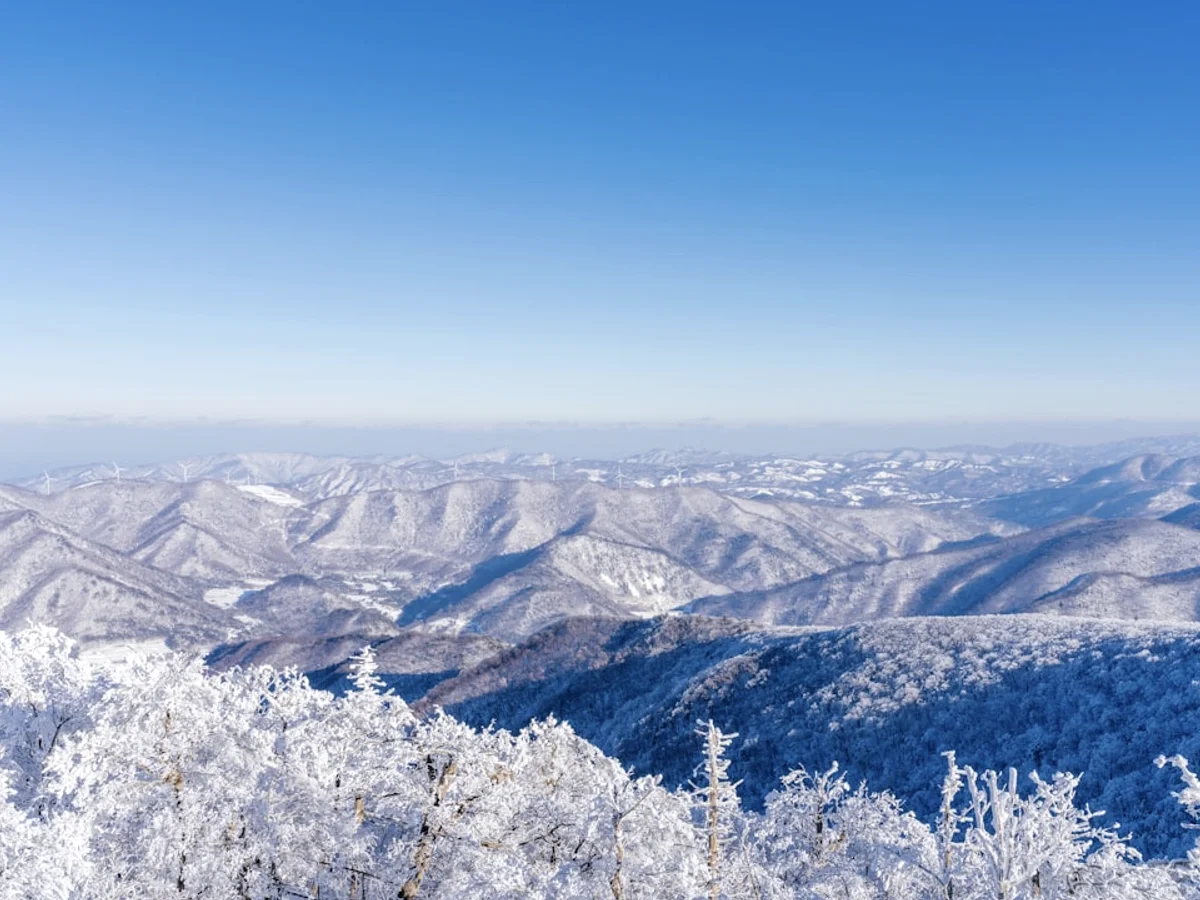
Understanding Surviving Korean Winter: Hwacheon Sancheoneo Ice Festival and Ski Resorts
Korean winter is intense—think bone-chilling dry cold that hovers around -10°C (14°F)—but it’s also undeniably the most energetic season for outdoor activities. The absolute highlight is the Hwacheon Sancheoneo Ice Festival, a massive event where millions gather on a frozen river to fish for trout, paired with world-class ski resorts that stay open until the early morning hours. Surviving it is less about enduring the cold and more about embracing the thermal underwear, hot street food, and the unique “white winter” culture that defines January in Korea.
The Frozen Miracle: Hwacheon Sancheoneo Ice Festival
Let me tell you, when people say Korean winter is cold, they aren’t joking. It’s a sharp wind that cuts right through your jeans. But that deep freeze is exactly what makes the Hwacheon Sancheoneo Ice Festival possible. I still remember walking onto the frozen Hwacheon Stream for the first time—seeing thousands of people huddled over tiny holes in the ice was surreal. You can hear the collective shouts of excitement every time someone pulls up a fresh sancheoneo (mountain trout). Just make sure you dress for it; I made the mistake of wearing regular sneakers my first time, and I couldn’t feel my toes for hours. If you go, these are the non-negotiables:
- Barehand Fishing: Yes, people actually jump into a pool of icy water to catch fish with their hands. It’s insane to watch.
- Grill Zones: Take your catch immediately to the nearby grilling center; they cook it fresh for about 3,000 KRW.
- Ice Sculptures: The indoor ice plaza is stunning, but honestly, the real fun is on the river.
Hitting the Slopes: Ski Resorts Near Seoul
It’s not just about fishing, though. Skiing here is huge, partly because the resorts are so accessible. Honestly, the slopes can get pretty packed on weekends—it’s like navigating a human obstacle course sometimes—but the convenience beats everything. I actually prefer night skiing at places like Vivaldi Park or Elysian Gangchon; gliding down a well-lit slope at 10 PM with K-pop blasting over the speakers is a total vibe. The snow is mostly artificial, sure, but it’s well-groomed and fast.
- Shuttle Buses: Most major resorts offer free or cheap shuttles from downtown Seoul (spots like Hongdae or Myeongdong).
- Gear Rental: Don’t bother bringing your own stuff. The rental gear is surprisingly decent, and you don’t want to lug skis on the subway.
- Lift Passes: Look for “foreigner discount” packages online beforehand; you can often save 30-40% compared to the ticket booth price.
The Real Survival Secret: Street Food
You might wonder why anyone leaves their heated floor (ondol) in this weather. The answer is usually food. Winter street food in Korea is basically a survival mechanism. Walking past a stall selling hotteok (sweet pancakes) and smelling that melting brown sugar… you just can’t walk past it without buying one. I’d pick a hot paper cup of bunggeoppang (fish-shaped pastry with red bean) over a fancy restaurant meal any day when the wind is howling. It’s the only way to keep your hands warm if you forgot your gloves
Why is Surviving Korean Winter: Hwacheon Sancheoneo Ice Festival and Ski Resorts significant?
Winter in Korea isn’t just “chilly”—it’s bone-chillingly serious, especially if you venture out to Gangwon-do for the big events. You might think January is too cold to endure, but that’s exactly when the country forces you outdoors with ice festivals and prime ski conditions. The absolute sweet spot for travel is mid-January, right when the rivers are frozen solid enough to support thousands of people, though you need to be mentally prepared for temperatures dropping below -10°C (14°F). Personally, I think It was surprisingly empty when I visited. Prices start from $10.
Braving the Sancheoneo Festival
Honestly, I completely underestimated the cold when I first went to the Hwacheon Sancheoneo Ice Festival. I arrived around 9 AM, thinking I’d beat the crowd, but the frozen river was already packed with people staring intently into little holes in the ice. It’s a surreal sight. You have thousands of people huddled together, tiny plastic fishing rods bobbing up and down, just praying for a mountain trout (sancheoneo) to bite. When I finally caught one—after about two hours of shivering and questioning my life choices—I ran straight to the grilling center. The smell of wood smoke and charred fish skin there? Absolutely unforgettable, and it made the freezing wait worth it.
- Go early: Arrive before 10 AM to secure a good fishing spot before the ice gets too slushy.
- Dress layers: Thermal underwear is non-negotiable. I wore two pairs of wool socks and my toes were still numb by lunch.
- Eat the fish: The grilling fee is small (usually 3,000 - 5,000 won), and eating your fresh catch is the whole point.
Timing Your Ski Trip
If you’re planning to hit slopes like Vivaldi Park or Yongpyong, avoid the weekends if you value your sanity. Seriously. I made the mistake of going on a Saturday once, and I spent way more time standing in lift lines than actually skiing down the mountain. The slopes turn into crowded walls of people, and it’s just stressful. My favorite time to go is actually for night skiing (often 6:30 PM to 10:30 PM). The vibe is totally different—quieter, less chaotic, and the snow looks incredible glittering under the massive floodlights. Plus, lift tickets are occasionally cheaper, sometimes up to 30-40% off compared to the day pass.
The Art of Warmth
You know, surviving a Korean winter day involves a specific rhythm of hopping between heated spaces. You don’t just walk outside for hours aimlessly. You move from a subway station to a cafe, then maybe duck into a convenience store to warm up. When I’m walking down the street and that dry, biting wind hits my face—it feels like tiny knives, no joke—I immediately look for a street stall selling bunggeoppang (fish-shaped pastry) or hotteok. Holding that piping hot paper cup isn’t just about the snack; it’s practically a survival tactic to keep your hands from freezing.
- Heat packs (Hot packs): Buy them at any convenience store for about 1,000 won. Don’t be shy—stick them on your lower back or even inside your shoes.
- Subway seats: they’re heated! I remember sitting down on Line 2 after a long day out and feeling my frozen legs thaw out instantly—it’s pure bliss.
- Department stores: Use them as “shortcuts” to avoid walking outside in the wind for too long.
Seasonal considerations for Surviving Korean Winter: Hwacheon Sancheoneo Ice Festival and Ski Resorts
If you’re wondering where everyone disappears to when the mercury drops below -10°C, just look towards Gangwon-do. The absolute best way to survive—and actually enjoy—the brutal Korean winter is to embrace the freeze at the Hwacheon Sancheoneo Ice Festival or hit the powder at world-class ski resorts like Yongpyong or High1. It’s not just about the activities; it’s about that specific adrenaline rush you get before thawing out with spicy soup.
Walking on Water at Hwacheon
The first time I stood on the Hwacheon Stream, I was terrified. It’s weird, you know? Standing on a frozen river with thousands of other people, staring down a tiny hole. But the ice is over 40cm thick, so you’re safe. The Hwacheon Sancheoneo Ice Festival is intense. People get really into catching these mountain trout (sancheoneo). I remember seeing a guy next to me pull up three fish in ten minutes while I sat there freezing my toes off with nothing to show for it. Honestly, the “bare-hand fishing” event is the wildest thing I’ve ever seen—people jumping into icy water in t-shirts and shorts. I’d never do it, but it’s entertaining to watch.
- Entrance Fee: Around 15,000 KRW (and they here give you a voucher worth 5,000 KRW for local spending).
- Best Time: Get there by 9:00 AM; the fish are hungrier, and the crowds are thinner.
- Cooking: There’s a grilling center nearby where they roast your catch for about 3,000 KRW—the smell of wood smoke and fish is everywhere.
Hitting the Slopes
Korea isn’t the Alps, but the ski culture here is uniquely convenient and—dare I say it—fun. I head to High1 Resort because the slopes are wide and long, and the snow quality is decent for artificial stuff. The vibe at night is completely different. Night skiing in Korea goes until 10:00 PM or later, and there’s something magical about gliding down a brightly lit mountain with K-pop blasting in the distance. The lifts are fast, RFID-based, so you aren’t stuck in lines forever. The cold just saps your energy. At the base of the mountain, or even right on the frozen river at Hwacheon, you’ll find these tent stalls (pojangmacha). One thing I wasn’t prepared for was the hunger. You absolutely have to try the eomuk-guk (fish cake soup). Holding that paper cup of hot broth warms your hands and your soul. I’d pick a steaming cup of that broth over a fancy restaurant meal any day when it’s that cold. Also, don’t skip the roasted sweet potatoes sold near the bus stops; they’re here 5,000 KRW a bag and taste like caramelized heaven.
- Book your ITX-Cheongchun train or shuttle bus at least two weeks in advance.
- Pack “hot packs” (kairo)—stick them on your lower back and in your boots.
- Don’t worry about gear; rental shops are literally everywhere and cost a fraction of Western prices. If you’re planning this trip, seriously, don’t wing it with transport. Winter is peak season for locals too, especially during the Lunar New Year. I made the mistake of waiting until the day before once—ended up standing on a crowded bus for three hours. Not fun. Just grab your padded jacket (the “long padding” everyone wears) and go. Prices start from $10.
Top locations for Surviving Korean Winter: Hwacheon Sancheoneo Ice Festival and Ski Resorts
It’s not just about liking the cold—honestly, most locals complain about the freezing temperatures just as much as tourists do. But these winter activities represent a unique blend of “fighting” the elements together and celebrating the season’s stark beauty, turning a harsh reality into a communal party. There’s this unique vibe you can’t describe.
A Shared Battle Against the Cold
I still remember standing on the frozen stream in Hwacheon, shivering despite my heat packs and thick padding. What struck me wasn’t the fishing itself, but the sheer energy of the crowd. Historically, Korean winters were brutal survival tests, and perhaps that’s why these festivals feel like a victory lap. You aren’t just fishing; you’re defying the weather with thousands of others. The air smells of roasted chestnuts and woodsmoke, and there’s this unspoken bond when you catch someone’s eye while stomping your feet to stay warm. It’s a social glue that you just don’t find in summer.
- Ondol culture: The contrast of freezing outside and boiling inside is addictive.
- Communal eating: Sharing a hot eomuk (fish cake) broth for 1,000 won tastes infinitely better when you can see your breath.
- Resilience: Catching a sancheoneo (mountain trout) with your bare hands is the ultimate flex against nature.
The Modern Weekend Escape
When I visited Vivaldi Park for a night ski session, the vibe was totally different from the calm mountains of Europe or North America. It was loud, bright, and intensely energetic. For many modern Koreans, skiing isn’t just a sport; it’s a quick, accessible escape from the high-pressure city life of Seoul. You can hop on a shuttle bus and be on the slopes in under 90 minutes. Honestly, the slopes can get crowded—I waited nearly 20 minutes for a lift once—but seeing groups of friends laughing and taking endless selfies made me realize it’s more about the hangout than the perfect run.
- Accessibility: Most major resorts like Konjiam are a short drive from the capital.
- Night Culture: Slopes sometimes stay open until 4 AM, catering to the “work hard, play hard” mentality.
- Status: There’s definitely a fashion element—the gear here is impeccably stylish. It’s weirdly comforting how the cold brings people together here. You’d think everyone would want to hide indoors, but instead, they flock to the ice to feel alive. This was actually better than I expected.
How to enjoy Surviving Korean Winter: Hwacheon Sancheoneo Ice Festival and Ski Resorts
Honestly, when I first stepped out of Incheon airport in mid-January, the wind didn’t just blow—it felt like it slapped me across the face. Korean winter is a dry, piercing cold that finds every single gap in your clothing, sometimes dropping to -10°C or lower. From personal experience, but here’s the thing: instead of hiding indoors, Koreans throw massive parties on frozen rivers.
Braving the Ice at Hwacheon
I still remember standing on the frozen Bukhangang River, staring at a tiny hole in the ice for what felt like hours, waiting for a sancheoneo (mountain trout) to bite. The Hwacheon Sancheoneo Ice Festival is chaotic in the best way possible. You’ll see thousands of people huddled over these little circles, bobbing their plastic rods up and down in unison. Tickets sometimes cost around 15,000 won, and that occasionally includes a voucher you can use for food nearby. The weirdest part? — watching the “bare-hand fishing” contest. People actually change into shorts and t-shirts to jump into a pool of icy water. I tried it once—just once—and my legs were numb for an hour. Never again. But if you do manage to catch a fish (or just buy one, I won’t judge), take it straight to the grilling center. The smell of wood smoke and roasting trout filling the cold air is something I still dream about. From my perspective, Street vendors calling out added to the atmosphere. It’s free to enter.
- Go on a weekday if you can; weekends are absolute gridlock.
- Wear two pairs of socks. The cold seeps up through the soles of your boots faster than you’d think.
- Check the ice condition reports online before heading out, especially if it’s been a mild winter.
Skiing: Convenience Over Solitude
If you’re used to the vast, empty slopes of the Rockies or the Alps, well, you might need to adjust your expectations a bit. Skiing in Korea is a social event. Places like Vivaldi Park or Elysian Gangchon are incredibly convenient because they’re close to Seoul, but that means they get packed. Like, really packed. You might spend more time in the lift line than on the snow. However, the accessibility is unbeatable. Most resorts offer free shuttle buses from major spots like Hongdae or Myeongdong if you book your lift pass in advance. Personally? Entry was around $15. The crowds thin out around 7 PM, and cruising down the hill with the floodlights reflecting off the snow is actually pretty magical. I prefer night skiing. Just watch out for the beginners—there are a lot of people seeing snow for the first time. They tend to act like human bowling pins.
The Survival Kit (And Snacks)
You might notice everyone looking like walking black sleeping bags. That’s the “Long Padding” coat. It’s not really a fashion statement; it’s a survival necessity. When the wind chill hits, you stop caring about looking cute. Wear thermal leggings under your jeans—trust me, denim freezes instantly. But the real secret to surviving the cold isn’t clothing; it’s the street food. You know that feeling when you can’t feel your nose anymore? That’s when you duck into a Pojangmacha (tent stall).
- Walk up to the steaming vat of Odeng (fish cakes).
- Grab a paper cup and ladle out the broth yourself—it’s free and unlimited.
- Let the salty, savory steam bring your face back to life. I grab a Hotteok (sweet pancake) while I’m there. Just be careful with the first bite; the brown sugar filling inside is essentially molten lava. I burned my tongue so bad last year near Gwangjang Market, but man, it was worth it. From my perspective, Entry was around $15.
Common mistakes with Surviving Korean Winter: Hwacheon Sancheoneo Ice Festival and Ski Resorts
Korean winter isn’t just cold; it’s a dry, biting freeze that sneaks through the smallest gaps in your coat. To truly enjoy the season without freezing, you need to layer up—thermal underwear (Uniqlo Heattech is the gold standard here) is non-negotiable. You absolutely need “hot packs” (hand warmers) from a convenience store. The warm atmosphere made it cozy.
The Real Deal on Ice Fishing
Don’t do that. You are standing on a frozen river for hours, and the cold seeps up through your soles faster than you’d expect. Honestly, the “bare-hand fishing” event is fun to watch, but you couldn’t pay me to jump into that icy water. When I first went to the Hwacheon Sancheoneo Ice Festival, I made a rookie mistake: I wore standard sneakers. I stick to the standard ice fishing holes. One thing that surprised me was how aggressive the trout are—you barely have to wait. The energy there was infectious. If you’re planning a day trip there, timing is everything. The funny thing is, the festival gets absolutely packed by 11:00 AM on weekends.
- Go early: Arrive before 9:30 AM to grab a good fishing spot near the edges (the ice is thicker, and locals swear the fish bite better there).
- Gear check: You can rent chairs for about 5,000 won, but bring your own blanket.
- The food: Oh man, taking your freshly caught trout to the grilling center is the highlight. They wrap it in foil and roast it for a small fee (3,000 - 5,000 won). The smell of woodsmoke and grilled fish in that freezing air? Unbeatable.
Hitting the Slopes Without a Car
Skiing in Korea is incredibly accessible, mostly because of the shuttle bus system. I head to Vivaldi Park simply because it’s the most convenient from Seoul, even if the snow can get a bit slushy in late afternoon. I remember grabbing the free shuttle from Hongik Univ. Station (Exit 8) at 7:30 AM—I was barely awake, but sleeping on the bus is part of the experience. I’d say Look for the big sign near the corner. For a smoother trip, keep these logistics in mind:
- Book shuttles in advance: Even the “free” shuttles for foreigners sometimes require a reservation online at least 2 days prior.
- Lift pass discounts: Never pay full price at the ticket booth. You can get 30-40% off by booking via Klook, Trazy, or simply showing a credit card from a major Korean bank (like Shinhan or Woori) if you have one.
- Night skiing: This is my personal favorite. The slopes clear out after 6:30 PM, and tickets are sometimes cheaper, around 30,000 - 45,000 won.
Street Food Survival
You know what actually keeps you warm?, and it isn’t just the down jacket—it’s the odeng (fish cake) broth. When you’re walking around Myeongdong or waiting for a bus in the bitter cold, stepping into a tent bar (pojangmacha) feels like salvation. I always grab a paper cup of the hot broth first—it’s sometimes free if you’re buying something. The steam fogs up your glasses immediately, but that first sip of salty, radish-infused soup brings you back to life. Just watch out for the red-handled skewers; those are the spicy ones, and they pack a serious punch.