what’s Exploring Korean Soul Food: A Guide to the Best Soups and Stews Special in Korea?
Korean soul food, especially its incredible array of soups and stews – known primarily as jjigae, guk, and tang – offers a deeply comforting and utterly essential window into the country’s culinary heart. These aren’t just dishes; they’re expressions of warmth, history. Communal dining, each spoonful a hug for the soul, particularly when enjoyed with fluffy rice and an exciting array of banchan. I’d definitely recommend checking this out.
The Heart of Korean Comfort: Ingredients and Preparation
You know, at its core, what makes these dishes so special often comes down to just a few key components: good broth, fermented goodness like kimchi or doenjang (soybean paste), and fresh, vibrant ingredients. Think rich meat or anchovy bases, plenty of garlic, spring onions, and often, a hefty dose of Korean chili paste (gochujang) or chili powder (gochugaru) for that signature fiery kick. Preparation varies wildly, from long-simmered bone broths that take hours to perfect, like Seolleongtang, to quick, bubbling Sundubu Jjigae cooked right at your table in a stone pot. Honestly, the sheer variety is astounding.
- Broth Base: Many start with anchovy, beef, or pork bone broths, providing a deep umami foundation.
- Fermented Staples: Kimchi, doenjang, and gochujang are crucial for flavor depth and occasionally, a pleasant tang.
- Fresh Vegetables: Common additions include spring onions, radishes, tofu, mushrooms, and various leafy greens.
Origin and the Story Behind the Bowl
The history of Korean soups and stews is intrinsically linked to Korea’s agricultural past and its climate, which, you know, can get pretty darn cold in winter. These dishes evolved as a way to use seasonal ingredients efficiently, provide warmth, and extend the life of fermented foods. For centuries, a steaming bowl of guk or jjigae was not just sustenance; it was a way to fortify oneself against the elements, a practice that continues today. When I first visited Seoul, I remember walking into a small gukbap (soup with rice) spot early one morning, the cold air hitting my face, and the immediate warmth from the bustling room, the steam rising from countless bowls – it felt like stepping into history.
- Ancient Roots: Many recipes can be traced back to the Joseon Dynasty, evolving with the availability of different ingredients.
- War and Poverty: Post-war periods saw creativity flourish, leading to dishes like Budae Jjigae (Army Stew) that used readily available processed meats.
- Modern Adaptation: Today, these dishes are perfected with modern culinary techniques while retaining their traditional essence.
Understanding the Holy Trinity: Jjigae, Guk, and Tang
Okay, so let’s clear up the confusion, because distinguishing between jjigae, guk, and tang can be a bit tricky, even for seasoned foodies. Generally speaking, jjigae is thicker and more stew-like, almost a main course in itself, sometimes served bubbling hot in a stone pot for two or more. Think Kimchi Jjigae or Sundubu Jjigae. Guk is typically lighter and soupier, occasionally served as an individual portion and might accompany a larger meal or even be a breakfast item, like Miyeok Guk (seaweed soup). Tang, , usually refers to heartier, occasionally more complex or specific soups, sometimes involving whole animals or particular cuts of meat. Can be quite medicinal or celebratory, such as Samgyetang (ginseng chicken soup) or Gamjatang (pork bone soup). The line can blur, but this helps.
Best time for Exploring Korean Soul Food: A Guide to the Best Soups and Stews
It’s comforting any day, really. Honestly, there’s rarely a “bad” time for a good Korean soup or stew. Fun fact: but there are definitely moments when these dishes shine, transforming from simply delicious into something truly transcendent. Knowing when to a bubbling pot can really elevate your experience, turning a meal into a cherished memory. I’d pick this over other options any day. You could hear the chatter of locals nearby.
The Clock Strikes Comfort: Time of Day Recommendations
You know, for some of these dishes, the time of day truly matters. A light guk like Kongnamul Guk (bean sprout soup) is a fantastic way to kick off a day, especially if you’re, shall we say, recovering from a particularly enthusiastic night out. It’s sometimes served early, before the city fully wakes up, offering a gentle yet invigorating warmth. Then there are the lunchtime warriors, like Kimchi Jjigae, perfect for powering through the afternoon. But for those rich, deep tang dishes? They really hit different in the evening, sometimes shared with friends, perhaps with a bottle of soju. I still remember having a steaming bowl of Gamjatang around 8 PM on a chilly Tuesday, the restaurant buzzing, and feeling utterly content. The place was packed with tourists and locals alike.
- Morning: Light guk varieties like Kongnamul Guk or Haejangguk (hangover soup).
- Lunch: Heartier jjigae options such as Kimchi Jjigae or Doenjang Jjigae.
- Dinner: Rich, communal tang dishes like Gamjatang or Budae Jjigae.
Festival Connections and Seasonal Delights
While most soups and stews are available year-round, some have strong seasonal or festive ties. Samgyetang, for instance, is traditionally eaten during the hottest days of summer, known as Boknal, believed to replenish energy and ward off heatstroke – sounds counterintuitive, I know. Trust me, it works! Then there’s Tteokguk (rice cake soup), which is an absolute must-have on Seollal (Lunar New Year) as it symbolises gaining another year of age. It’s fascinating how food marks time and tradition here. It’s in the basement level.
- Summer (Boknal): Samgyetang is king, thought to cool the body from the inside out.
- Winter: Rich, hearty stews like Budae Jjigae or Galbitang (beef short rib soup) are incredibly popular for warmth.
- Lunar New Year (Seollal): Tteokguk is a traditional staple, believed to bring good luck for the coming year.
The Best Season to Indulge
The crisp, biting cold of a Korean winter makes that steaming, bubbling pot of jjigae or tang an almost primal necessity. If I had to pick just one season to truly Korean soul food, it would unequivocally be winter. The warmth radiating from the stone pot, the spicy steam fogging your glasses, the comforting heat spreading through your body – it’s an unparalleled experience. Honestly, a bowl of Sundubu Jjigae on a snowy evening in Myeongdong, with the aroma of sesame oil and chili filling the air, is pretty much perfection. The colder it is outside, the better these dishes taste. There’s this unique vibe you can’t describe.
Where can you find Exploring Korean Soul Food: A Guide to the Best Soups and Stews?
It’s not some hidden secret you have to hunt for; it’s woven into the very fabric of daily life here. From bustling street markets to sleek modern restaurants, you’re never far from a comforting bowl, which, for me, is just brilliant. You know, the wonderful thing about Korean soul food is that it’s absolutely everywhere.
The Authentic Pulse: Traditional Markets
If you really want to taste the soul of Korea, you have to hit up a traditional market. Places like Gwangjang Market in Seoul are legendary for a reason. Here, you’ll find vendors who have been perfecting their gukbap or bindaetteok (mung bean pancakes occasionally served with soup) for generations. The atmosphere is just incredible – loud, vibrant, a cacophony of sizzling sounds and savory smells. You sit on small stools, sometimes elbow-to-elbow with strangers, and the food, cooked right in front of you, tastes somehow more alive. I remember finding a tiny stall in Tongin Market, just off Gyeongbokgung Palace, that served the most incredible Doenjang Jjigae for about 8,000 won. The lady running it, she’d been there decades, and her jjigae just had this depth that you couldn’t find anywhere else. There’s this unique vibe you can’t describe.
- Gwangjang Market (Seoul): Famous for bindaetteok, mayak gimbap, and various gukbap stalls.
- Namdaemun Market (Seoul): Offers a huge variety of street food and traditional eateries, including many guk and jjigae options.
- Local Neighborhood Markets: Don’t shy away from smaller, less famous markets – they sometimes hide the best gems.
Popular Locations in Seoul for Your Soul Food Fix
For fantastic Gamjatang, you might head to Eungam-dong, which is practically synonymous with the dish. Or for a pristine bowl of Seolleongtang, the milky white beef bone soup, places around Seolleung Station are famous. Seoul is, naturally, a goldmine for these dishes — certain areas even specialize. Even areas like Gangnam and Hongdae are packed with modern, stylish spots that serve up these classics, with a contemporary twist. The thing is, no matter where you are in the city, a comforting bowl is usually just a short walk or subway ride away. Personally, I think this is worth it.
- Myeongdong: Numerous restaurants offering popular Kimchi Jjigae, Sundubu Jjigae, and Samgyetang for tourists and locals alike.
- Jongno/Insadong: Great for traditional Korean dining, including high-quality tang options.
- Specific Neighborhoods: Seek out areas known for particular dishes, like Eungam-dong for Gamjatang.
Hidden Local Gems and Modern Takes
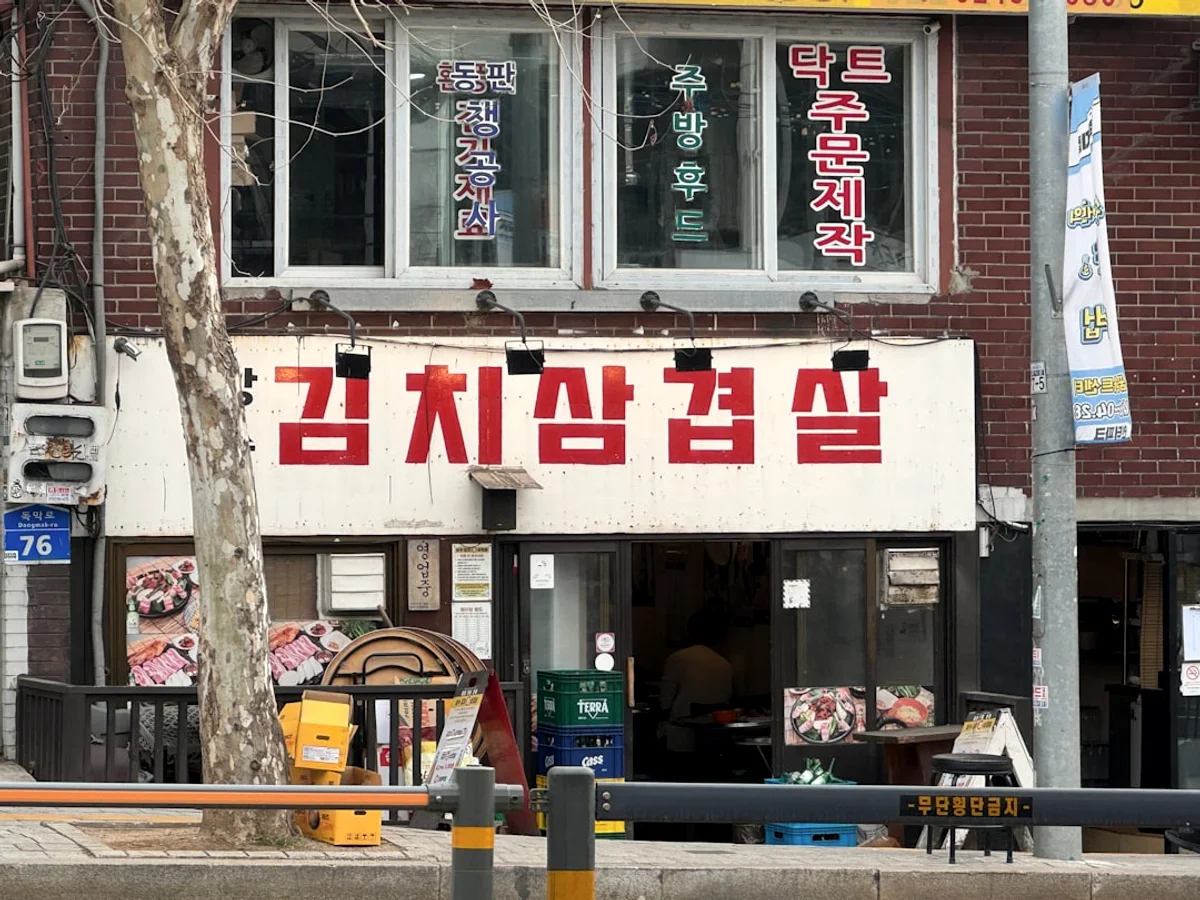
Beyond the famous spots, the real magic happens in those tucked-away local restaurants, the ones that don’t even have an English sign, you know? These are the places where office workers go for lunch, where families gather for dinner. The décor might be simple, but the food is always stellar. Here’s the thing: then you have the more modern interpretations – fusion spots or trendy eateries that elevate these traditional dishes with premium ingredients or presentation. Honestly, sometimes I prefer the no-frills local joint because the food just hits differently when it feels so authentic, but I’ve had some surprisingly good jjigae in super chic places too. The vibe in those local places – you could hear the clatter of spoons against earthenware, the murmurs of conversation, and the comforting bubbling of endless pots. It’s a sensory feast. Not gonna lie, this was pretty impressive.
How to experience Exploring Korean Soul Food: A Guide to the Best Soups and Stews like a local
Experiencing Korean soul food isn’t just about eating; it’s a whole ritual, a social event, a moment of connection. If you really want to blend in and get the most out of your meal, there are a few unspoken rules and wonderful traditions that are worth knowing. It’s about respecting the culture and, frankly, getting the best taste out of your food.
Pairing with Drinks: The Local Way
I gotta say, the classic choice? When you’re diving into a hearty Korean soup or stew, especially in the evening, you’re almost certainly going to see locals pairing it with a drink. — soju. There’s this distinct scent that hits you. That clear, potent rice liquor cuts through the richness of a Gamjatang or the spice of a Kimchi Jjigae beautifully. Not gonna lie, many Koreans believe it aids digestion, and it certainly adds to the convivial atmosphere. For those who prefer something a bit lighter, Makgeolli – that milky, slightly effervescent rice wine – is also a fantastic option, particularly with something like Kimchi Jjigae or Pajeon (savory pancakes) that occasionally accompany stews. Honestly, after a long day of exploring, a hot bowl of jjigae and a cold bottle of soju just feels right.
- Soju (소주): The quintessential pairing for spicy and rich stews, enhancing the warmth and social aspect.
- Makgeolli (막걸리): A lighter, sweeter alternative, great with slightly less spicy options or side dishes.
- Beer (맥주): A good default if soju or makgeolli isn’t your thing, but less traditional for this kind of food.
Eating Etiquette: What Locals Do
The standard practice is to eat your soup or stew and banchan with your rice. You can, and should, spoon a bit of soup directly onto your rice in your individual bowl, mixing it in before each bite. First things first: you’ll almost always get a bowl of fluffy white rice and a of banchan (side dishes) with your soup or stew. Alternatively, some people will just take a spoonful of rice, then a spoonful of soup, then a bite of banchan. Also, don’t forget to use both your spoon and chopsticks! Spoons are for the broth and rice, chopsticks for the solids and banchan. What you don’t typically do is put your entire bowl of rice directly into the main soup pot – that’s for gukbap specifically, not here communal jjigae or tang. Oh, and sharing banchan is a given; don’t be shy about reaching for that second helping of kimchi.
- Rice and Soup Harmony: Spoon soup/stew onto your rice, or alternate bites.
- Utensil Use: Use your spoon for broth and rice, chopsticks for solids.
- Communal Banchan: Share and refill side dishes freely.
- No Direct Rice Dumping (here): Unless it’s a gukbap specific dish, avoid putting your whole rice bowl into the main pot.
Ordering Tips for the Uninitiated
When you’re ordering, especially if you’re not fluent in Korean, don’t be afraid to point! Pictures on the menu are your best friend. Most places will indicate if a jjigae is for one person or a minimum of two. If it’s for two, you must order at least two servings. Don’t try to order one for two people – that’s a common tourist faux pas. Also, don’t be afraid to ask about spice levels. Many places are accustomed to foreigners who might prefer a milder kick. Just say “mapji anke haejuseyo” (마맵지 않게 해주세요 - please make it not spicy) or “deol maepge haejuseyo” (덜 맵게 해주세요 - please make it less spicy). I once completely forgot to ask and ended up in a delightful, yet eye-watering, struggle with a Kimchi Jjigae that was extra spicy. Honestly it was an experience, let’s just say that!
Why do Koreans love Exploring Korean Soul Food: A Guide to the Best Soups and Stews?
There’s a profound connection to tradition, well-being, and social interaction that makes these soups and stews utterly indispensable in daily life. One local explained that you know, it’s not just food; it’s culture in a bowl. It’s more than just sustenance; these dishes resonate deeply with the Korean psyche. From my perspective, It’s right by exit 3.
Health Benefits: More Than Just Comfort
Think of Samgyetang, packed with ginseng, dates, and garlic – it’s considered a powerful restorative. Many Korean soups and stews are lauded for their perceived health benefits. Even everyday guk like Miyeok Guk (seaweed soup) is rich in nutrients and traditionally given to new mothers. The liberal use of fermented ingredients like kimchi and doenjang also means a good dose of probiotics, which is fantastic for gut health. Koreans have long understood the concept of “food as medicine,” and these dishes are perfect examples of that philosophy in practice. Between us, honestly, after a heavy night, a spicy Haejangguk (hangover soup) truly feels like medicine, shocking your system back to life. Prices start from $10.
- Probiotics: Fermented ingredients like kimchi and doenjang support gut health.
- Nutrient-Dense: Ingredients like ginseng, garlic, and various vegetables pack a nutritional punch.
- Restorative Qualities: Many are believed to boost energy, aid recovery, and provide warmth.
Social Aspects: Food as Connection
Eating these dishes is occasionally a communal affair, especially with jjigae and tang. Gathering around a bubbling pot, sharing stories, clinking glasses of soju – it’s a fundamental part of Korean social life. It breaks down barriers, fosters camaraderie, and creates a sense of belonging. What is more, it’s not just for friends; families share meals this way, and even business colleagues bond over a shared pot. This communal style of dining isn’t just practical; it’s deeply ingrained in the culture, reinforcing social ties with every shared spoonful. Honestly, some of my best memories in Korea involve laughing loudly over a steaming pot of Budae Jjigae with new friends.
- Communal Dining: Encourages sharing and conversation, strengthening social bonds.
- Family Traditions: Many dishes are staple family meals, passed down through generations.
- Celebratory Occasions: Certain tang dishes are reserved for special events or gatherings.
Modern Popularity and International Recognition
While deeply traditional, Korean soups and stews have exploded in popularity globally. You’ll find Kimchi Jjigae and Sundubu Jjigae on menus in Korean restaurants from London to Los Angeles. K-dramas, you know, have certainly played a huge role, showcasing characters enjoying these comforting meals, making them instantly recognisable and desirable to an international audience. This blend of heritage and trendy appeal means they’re constantly evolving, finding new fans while remaining true to their roots. What nobody tells you is it’s fantastic to see how global audiences are embracing these heartwarming dishes. Take the second alley on the left.
Expert tips for Exploring Korean Soul Food: A Guide to the Best Soups and Stews
Alright, so you’re ready to dive in. What surprised me was that’s brilliant! Personally, I think These little nuggets of wisdom can really enhance your experience and help you navigate the menus and customs like a seasoned pro. The funny thing is, trust me, these are things I learned the hard way, or, well, observed keenly. But before you go, let me arm you with a few insider tips. If you ask me,
Price Range Expectations
Don’t expect to break the bank, generally speaking. Most everyday jjigae and guk dishes are incredibly affordable, especially for the generous portions you receive. A single serving of Kimchi Jjigae or Sundubu Jjigae will here set you back anywhere from 7,000 to 12,000 won. Honestly it was surprisingly empty when I visited. I noticed that shared stews like Budae Jjigae or Gamjatang sometimes range from 25,000 to 45,000 won for a medium size, which can easily feed two to three people. It’s fantastic value for money, honestly. For more elaborate tang dishes, particularly those with premium ingredients like beef short ribs (Galbitang) or whole chicken (Samgyetang), you might be looking at 15,000 to 25,000 won or more, especially if it’s a specialty restaurant.
- Budget-Friendly (7,000-12,000 won): Most individual jjigae and guk options.
- Mid-Range (15,000-25,000 won): Specialty tang dishes like Samgyetang or Galbitang.
- Shared Strews (25,000-45,000 won+): Larger portions of Budae Jjigae or Gamjatang for groups.
Spice Level Adjustments: Know Your Limits
And yeah, many of these soups and stews pack a serious punch. But it’s not always about raw heat; it’s about a complex interplay of flavors. Korean food, by reputation, is spicy. Still, if you’re not a fan of fiery food, remember those phrases I mentioned earlier: “deol maepge haejuseyo” (덜 맵게 해주세요 - less spicy) or “mapji anke haejuseyo” (맵지 않게 해주세요 - not spicy). Some places might offer a “mild” version or simply reduce the gochugaru. Don’t be shy about asking, because you want to enjoy the flavor, not just endure the heat! I noticed that i’ve seen tourists try to power through and just, well, sweat their way through the meal, which, you know, isn’t always the most pleasant experience.
- Request “Deol Maepge”: Ask for less spicy if you prefer.
- Avoid “Mapji Anke”: “Not spicy” might result in a very bland dish; “less spicy” is a better compromise.
- Cooling Sides: Use the cooling banchan like pickled radishes or plain kimchi to balance the heat.
Vegetarian Alternatives: A Growing Trend
Historically, many traditional Korean soups and stews have a meat or anchovy broth base. Locals mentioned that however, with growing awareness and demand, finding vegetarian-friendly options is becoming much easier, especially in larger cities and modern restaurants. Look for dishes like Doenjang Jjigae (fermented soybean paste stew) that can occasionally be made without meat or anchovy broth – just ask if it can be prepared “chaesik” (채식, vegetarian). The aroma of freshly cooked food filled the air. Some Sundubu Jjigae places might also offer a mushroom or vegetable-only version. Don’t be afraid to ask, though you might need a translation app handy. I personally found an amazing vegetarian Sundubu Jjigae in a small place in Hongdae – a total game changer for my non-meat-eating friends!
Common mistakes with Exploring Korean Soul Food: A Guide to the Best Soups and Stews
These aren’t big deal-breakers, but avoiding them will definitely make you feel more comfortable and ensure you get the most out of your culinary adventure. Okay, so while I want you to have the most amazing time, it’s worth flagging a few common pitfalls. It’s about respecting the local way, you know?
Cultural Faux Pas: Avoiding Awkward Moments
You might be tempted to wait for everyone to be served before eating, but in many casual Korean restaurants, especially with jjigae or guk, people occasionally start eating as soon as their bowl is placed in front of them, particularly if it’s already piping hot. One common mistake is, well, trying to be too polite. Don’t let your food get cold! Also, slurping is perfectly acceptable, even a sign of enjoyment, so don’t be self-conscious about it. And while it’s here good etiquette to pass items with two hands, in a bustling, casual soup spot, one hand is fine. What locals never do is leave a huge mess or be excessively loud – there’s a line between lively and disrespectful.
- Don’t Wait Too Long: Start eating when your food is hot and ready, especially individual portions.
- Slurping is Okay: It’s a sign of enjoyment, particularly with noodles or soup.
- Mind the Shared Spoon: If sharing a communal pot, avoid using your personal eating spoon to scoop from the main pot; use the serving spoon if provided.
Ordering Errors: Size Matters
Many jjigae and tang dishes, especially those served in a large stone pot bubbling on a burner at your table, are meant for sharing and will have a minimum order of 2 servings. As I touched on before, the biggest ordering mistake is misjudging portions or minimum orders. Don’t try to order “one for two people” if the menu clearly states a minimum. You’ll likely be told to order two. Also, understand that “small,” “medium,” and “large” refer to the size for a group, not an individual. A “small” Gamjatang can still feed two hungry people quite easily. I’ve definitely been in situations where we accidentally ordered a “medium” thinking it was just a regular individual portion, and, well, the table was overflowing. Look for the big sign near the corner.
- Respect Minimum Orders: If it says “min. 2 people,” order for at least two.
- Portion Sizes: “Small” for communal stews can still be quite large.
- Check Pictures: Always refer to menu pictures to gauge what you’re getting.
Common Tourist Mistakes and What Locals Never Do
While it’s fine to put a bit of kimchi or a side radish in, dumping everything in can change the intended flavor balance, and locals here don’t do that. Another thing is being too quiet or reserved; Korean dining, especially with these comfort foods, is sometimes lively and boisterous. Tourists sometimes try to add too many different banchan into their main soup or stew. Don’t be afraid to laugh, chat, and enjoy the atmosphere. Also, locals almost never leave food uneaten, especially the rice – finishing your meal is a sign of appreciation. Oh, and you know what else? They don’t linger for hours over one meal if it’s a busy, fast-paced restaurant; they eat, chat, and move on.
- Don’t Overload the Pot: Adding too many banchan to the main stew can alter its intended flavor.
- Embrace the Atmosphere: Be lively and enjoy the social aspect; avoid being overly quiet.
- Finish Your Rice: It’s polite to finish your meal, especially the rice.
- Be Mindful of Time: In busy restaurants, it’s not customary to linger for extended periods after eating.