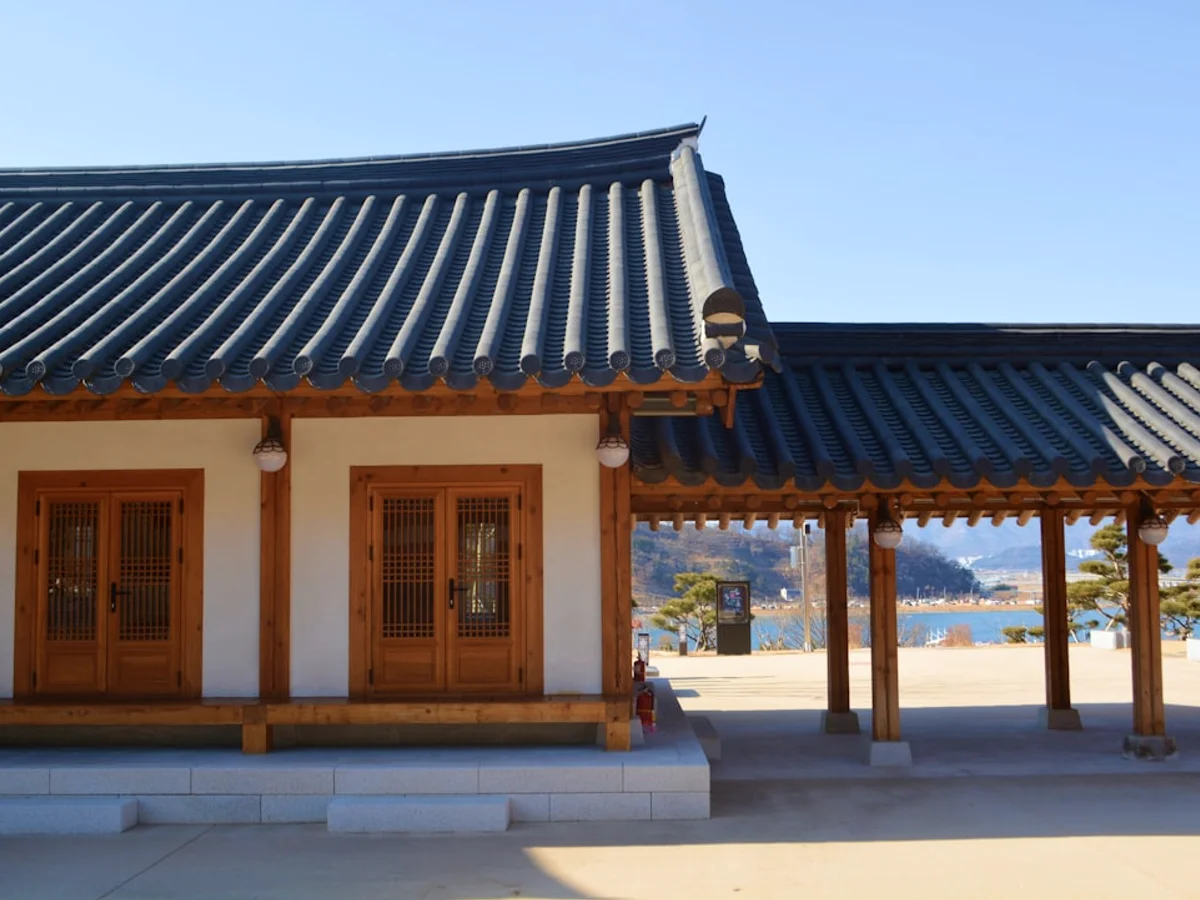
Staying overnight in a Korean jjimjilbang is essentially the ultimate travel hack for anyone visiting Korea on a budget or looking for an authentic slice of local life. It’s a 24-hour bathhouse where you can soak, sweat, eat, and sleep for a fraction of the cost of a hotel room. Think of it as a giant, communal living room where everyone wears matching pajamas and sleeps on the floor.
The First Impression
When I first visited a jjimjilbang in Seoul—it was around 11 PM on a rainy Tuesday—I was honestly confused by the sheer scale of it. You walk in, pay your fee (usually between 12,000 to 18,000 KRW), and get handed a set of oversized cotton t-shirts and shorts. The vibe is weirdly cozy yet public. You see families watching TV, couples napping, and solo travelers like me just trying to figure out which locker belongs to them.
- You get a numbered key that works for both your shoe locker and your clothes locker.
- Everything you buy inside is usually charged to that electronic wristband.
- The sleeping areas are gender-neutral, but the actual baths are strictly separated.
What Makes it Work
The thing is, it’s not just a place to crash. It’s an experience. You aren’t just paying for a floor mat; you’re paying for access to high-tech saunas, ice rooms, and hot tubs. I still remember the smell of the charcoal room; it was earthy and intense, like being inside a giant BBQ pit but in a relaxing way. The floor is heated—thanks to the traditional Ondol system—so even though you’re sleeping on a thin mat, it’s surprisingly warm and soothing for your back.
- You leave your shoes in a small locker at the entrance.
- You head to the gender-segregated changing rooms to strip down.
- You shower thoroughly before entering any of the communal pools.
- You change into the “unifom” to go to the shared jjimjilbang area.
A guide to How to Stay Overnight in a Korean Jjimjilbang
Navigating a jjimjilbang for the first time feels a bit like a rite of passage because there are so many unwritten rules. You start by scrubbing yourself clean in the bath area—and I mean really scrubbing—before you even think about heading to the common sleeping zones. It’s a process of shedding your outer layers, both literally and figuratively, to join the rest of the city in a state of collective relaxation.
The Bathing Ritual
솔직히 말하면, the nakedness was the hardest part for me at first. Standing there in a room full of strangers with nothing on felt exposed, but you quickly realize nobody cares. Everyone is focused on their own business. I spent about 40 minutes jumping between the cold plunge and the mugwort-infused hot tub. The water felt silky, and the steam was so thick you could barely see the person next to you.
- Don’t forget to grab a nylon scrub towel from the vending machine or counter.
- Always wash your hair and body before entering the hot tubs.
- If you’re brave, hire an Ajumma or Ajusshi for a full-body scrub (Seshin)—it costs about 25,000 KRW and will leave you feeling like a newborn.
Finding Your Sleeping Spot
Once you’re in your pajamas, you head to the main hall. This is where the “overnight” part happens. There aren’t beds. Instead, you find a stack of thin plastic mats and hard, brick-like pillows made of wood or rice husks. Well, they aren’t exactly clouds, but they get the job done. I here look for a corner near a wall to avoid being stepped on by people heading to the snack bar at 3 AM.
- Grab one mat and one pillow (taking two is considered rude if it’s crowded).
- Look for “sleeping caves”—small individual holes in the wall for more privacy.
- Keep your wristband secure on your ankle or wrist while you sleep.
- Set your phone to vibrate; the silence is generally respected, though snoring is inevitable.
The Snack Bar Strategy
You can’t stay overnight without eating. The food—oh man—is the highlight. I always go for the Sikkhye (sweet rice drink) and Maekbanseok gye-ran (sauna-baked eggs). There’s something about cracking an egg on your friend’s head—yes, that’s a thing—that makes the experience feel real. I spent about 8,000 KRW on a midnight snack once, and it was better than most restaurant meals I had that week.
- Sikkhye is here served in a massive plastic jar with a straw.
- Seaweed soup (Miyeok-guk) is the classic “morning after” meal to hydrate.
- Most places have a 24-hour snack bar, but the full restaurant might close by 10 PM.
When to experience How to Stay Overnight in a Korean Jjimjilbang
While these places are open 24/7, the atmosphere shifts dramatically depending on the hour and the day of the week. Timing is everything if you want to actually get some sleep rather than just people-watching. If you show up on a Friday night in a popular area like Hongdae, be prepared for a crowd of revelers who missed the last bus home.
Daily Rhythms and Quiet Hours
I’ve found that arriving around 8 PM or 9 PM is the sweet spot. It gives you enough time to enjoy the saunas and have dinner before the “sleepers” start claiming their territory on the floor. By midnight, the lights in the main hall often dim, and the vibe turns from a social club into a giant slumber party. I remember one time staying up until 2 AM just watching the silent TV with a group of elderly Korean men; it felt strangely peaceful.
- Weeknights (Monday-Thursday) are significantly quieter and easier for sleeping.
- Friday and Saturday nights are packed, noisy, and sometimes a bit chaotic.
- Early mornings (6 AM - 9 AM) are the best time for a final soak before heading out.
Seasonal Shifts
In the winter, a jjimjilbang is heaven. When the temperature in Seoul drops to -10°C, stepping onto that heated floor feels like a warm hug. Honestly, I’d pick a jjimjilbang over a cold hostel any day in January. Summer is a bit different; while they have AC, the humidity from the baths can make the common areas feel a bit stuffy. But then again, they have “ice rooms” kept at sub-zero temperatures that feel incredible when it’s sweltering outside.
- Winter: Focus on the high-heat salt rooms to warm your bones.
- Summer: Spend more time in the cold pools and the “ice forest” rooms.
- Chuseok/Lunar New Year: Many people visit with family, so expect huge crowds.
The “Missed the Bus” Scenario
A lot of travelers use the jjimjilbang as a backup plan. In Seoul, the subways stop running around midnight, and taxis can be a nightmare to catch in busy districts. I’ve done this myself—missed the last train from Gangnam, realized a taxi would cost 30,000 KRW, and instead walked into a nearby bathhouse for 15,000 KRW. It’s the most practical “oops” solution you’ll ever find.
- Check the exit time; most overnight stays are capped at 12 to 15 hours.
- If you stay over the limit, you’ll be charged an hourly surcharge ( 1,000 KRW per hour).
- It’s a great way to kill time before an early morning flight at Incheon Airport.
Top locations for How to Stay Overnight in a Korean Jjimjilbang
While you can find a local bathhouse in almost any neighborhood by looking for the red steam icon (♨️), some locations are specifically geared toward overnight travelers. Pro tip from experience: the “mega-spas” offer more amenities like movie rooms, PC bangs, and even outdoor pools, whereas the neighborhood spots are smaller, cheaper, and much more “local.”
The Big Names in Seoul
If you want the full-scale experience, you head to the famous ones. Sparex in Dongdaemun is a traveler favorite because it’s located right inside a shopping mall (Good Morning City). I stayed there after a long day of shopping, and the convenience of being right at Dongdaemun History & Culture Park Station was unbeatable. The interior is designed like a traditional Korean village, which makes for some cool photos—though, be careful with your phone in the wet areas.
- Sparex (Dongdaemun): Traditional decor, very central, good for foreigners.
- Dragon Hill Spa (Yongsan): Currently closed for renovation (check status!), but formerly the most famous “theme park” style spa.
- Club K Seoul (Gangnam): More of a “luxury” vibe with a library and jazz lounge feel.
Regional Gems
Outside of Seoul, the jjimjilbang game gets even better. My absolute favorite is Spa Land Centum City in Busan. It’s located inside the world’s largest department store. Honestly, it’s more like a resort than a bathhouse. They have 22 tubs and 13 themed saunas. The only catch? They here don’t allow overnight stays—they close around midnight. For a true overnight in Busan, you’d look for smaller spots near Haeundae Beach.
- Spa Land (Busan): The gold standard of luxury, but limited hours.
- Aquafield (Hanam/Goyang): Located in Starfield malls, very high-end and clean.
- Local “Oncheon” (Hot Springs): Look for these in mountainous areas like Sokcho or Suanbo.
Choosing Your Vibe
You have to decide what you want. Do you want a “resort” or a “bed”? The neighborhood ones, here called “Suna” or “Tang,” are where you’ll see the real Korea. I once went to a tiny one in Mapo where I was the only non-Korean. It was a bit intimidating, and the facilities were older, but the water felt more “medicinal” and the aunties running the snack bar were incredibly sweet, even if we couldn’t speak the same language.
- Upscale spas: Better for comfort, English-friendly, more expensive (20,000+ KRW).
- Neighborhood spots: Grittier, authentic, very cheap (10,000 - 12,000 KRW).
- Airport options: Spa on Air at Incheon Terminal 1 is perfect for layovers but fills up fast.
The importance of How to Stay Overnight in a Korean Jjimjilbang
It’s not just about a cheap place to sleep; it’s about a cultural philosophy of communal wellness. One local explained that in a society that is often high-pressure and fast-paced, the jjimjilbang acts as a pressure valve. It’s one of the few places where social hierarchies break down. Whether you’re a high-powered executive or a university student, everyone is equal once they put on those oversized orange pajamas.
The Concept of ‘Jeong’
What I realized after staying in a few of these is that they represent ‘Jeong’—that uniquely Korean feeling of social bond and attachment. There’s something deeply human about sleeping in a room with fifty other people. You hear someone’s baby cry, you hear an old man snore, and you see friends whispering late into the night. It’s a level of physical closeness that we don’t really have in the West anymore.
- It fosters a sense of community and shared space.
- It’s a safe haven for people who need a temporary home or a break from reality.
- The shared ritual of bathing is a core part of Korean social bonding.
Modern Relevance
Even with the rise of luxury hotels and Airbnbs, the jjimjilbang remains relevant because it’s convenient. You don’t need a reservation. You just show up. For the younger generation, it’s a “multi-bang” (multi-room) where they can hang out for ten hours without spending much money. For the older generation, it’s a way to soothe the aches and pains of age.
- It provides a low-cost safety net for people who miss transport.
- It keeps the traditional Ondol culture alive in a modern, urban setting.
- It serves as a stress-relief hub for students and workers.
A Personal Reflection
Looking back, my best memories of Korea aren’t always the palaces or the fancy dinners. They’re the moments at 3 AM in a jjimjilbang, drinking cold Sikkhye and feeling my muscles finally relax after a week of walking 20,000 steps a day. The floor might be hard, and the person next to you might be a loud snorer—근데, that’s part of the charm. It’s real life, unedited and warm, and that’s why you have to try it at least once.
- It teaches you to be comfortable in your own skin.
- It forces you to slow down and just exist for a few hours.
- You’ll leave with a story that most “standard” tourists never get to tell.