what’s Korean Dining Manners: Essential Table Etiquette for Foreign Visitors?
Korean dining etiquette is fundamentally about showing respect to your elders and embracing the communal nature of the meal. I noticed that while it might seem like a complex web of rules based on Confucian hierarchy, the modern reality is much more relaxed—especially for visitors who are clearly trying their best. You’ll notice the smell of incense as you enter.
It’s Not Just About the Food
When I first landed in Seoul, I was genuinely terrified of offending someone at the dinner table. I remember sitting in a crowded Galbi-jip in Hongdae around 7 PM, the air thick with smoke and the sound of sizzling meat, freezing up because I didn’t know if I could pick up my spoon yet. But here’s the thing: Korean dining is less about rigid formalities and more about the atmosphere of sharing. It’s defined by “Jeong” (connection), meaning you rarely eat alone or keep a dish to yourself. Historically, these manners come from Confucianism, which places a huge emphasis on hierarchy and order. What surprised me was back in the Joseon Dynasty, a meal was a ritual. Today? It’s a bit of a remix. You’ll see young people pouring drinks for their elders with two hands, but also checking their phones between bites. This was actually better than I expected.
The Unspoken Rules of the Table
The core principle is actually pretty simple: read the room, or what Koreans call “Nunchi.” If you’re eating with Koreans, the oldest person at the table lifts their spoon first. Period. I once waited a full five minutes at a formal dinner because the grandfather was telling a story, and nobody dared to touch their soup until he did. Here are the absolute basics you need to survive:
- Never stick your chopsticks vertically into your rice bowl—it looks like incense burnt for the dead.
- Don’t lift your rice or soup bowl off the table (unlike in Japan or China).
- Use the spoon for rice and soup, and chopsticks for the side dishes (Banchan). The aroma of freshly cooked food filled the air. Honestly, the hardest part for me was the pacing. You have to match the speed of the elders. If you finish way before everyone else, it looks like you were starving; finish too late, and you’re holding everyone up. It’s a delicate dance, but once you get the rhythm, it feels surprisingly communal and warm.
When to experience Korean Dining Manners: Essential Table Etiquette for Foreign Visitors
Korean dining etiquette isn’t just about rules; it’s the social glue that holds interactions together, reflecting centuries of Confucian influence where hierarchy and respect are paramount. Locals mentioned that if you mess up, you’re not just being rude—you’re disrupting the unspoken harmony of the table, which is taken quite seriously here.
More Than Just Rules
When I first landed in Seoul back in 2018, I honestly thought I just needed to learn how to use chopsticks without stabbing anyone. Boy, was I wrong. Korean dining culture is deeply rooted in Confucianism, where age and status dictate the flow of the meal. It’s fascinating to watch this play out in real-time at a local BBQ joint. The youngest person is usually the one frantically cutting the meat with those scissors or refilling water cups. I remember going for samgyeopsal with a Korean friend who was just one year older than me; even that tiny age gap meant I had to wait for him to pick up his spoon first before I could start eating. It felt a bit stiff and formal at first, honestly, but you get used to the rhythm eventually.
- Wait for the eldest to start eating before you touch your utensils.
- Turn your head away when drinking alcohol with an elder.
- Never leave your chopsticks sticking vertically in your rice bowl (it looks like a funeral ritual).
The Magic of ‘Jeong’
There’s this concept called Jeong—it’s hard to translate, but think of it as a deep, sticky emotional bond. Food is the absolute main vehicle for this. Unlike in the West where you might guard your plate like a fortress, here, almost everything is communal. That big pot of Kimchi-jjigae bubbling in the center? Everyone’s spoon goes in. I still remember the first time I saw five spoons diving into the same stew pot at a bustling lunch spot near Gangnam Station. My germaphobe brain panicked for a split second—honestly, I almost lost my appetite right there. But seeing everyone laughing and sharing, the steam rising between us… it just felt right.
- Rice and individual soup bowls are yours—keep them to yourself.
- Banchan (side dishes) are public property; feel free to reach across.
- Don’t pick through the main dish to find the “best” pieces; it’s considered greedy.
Why It Matters to Locals
It really connects back to national identity. When you pour a drink with two hands, you aren’t just following a dusty rulebook; you’re acknowledging the other person’s worth and your relationship to them. I learned this the hard way at a smoky pojangmacha (tent stall) in Jongno. I casually poured Soju for an elder with one hand—classic rookie mistake—and the table went dead silent. The air felt heavy, you know? The smell of grilled fish and soju seemed to freeze. A local friend nudged me, whispering to use two hands. The moment I corrected it, the tension broke, and the elder smiled, handing me a lettuce wrap. It’s those small gestures that earn you respect here, more than speaking the language perfectly ever could.
How to enjoy Korean Dining Manners: Essential Table Etiquette for Foreign Visitors
Korean dining etiquette boils down to one golden rule: respect for seniority, but don’t panic—it’s not as rigid as the textbooks say. While you should technically wait for the eldest person to lift their spoon, modern Koreans, especially the younger crowd in Seoul, are pretty chill about it. Just keep an eye on the pace, use two hands when receiving something, and you’ll be fine.
The Waiting Game and Modern Vibes
When I first visited a traditional Hanjeongsik restaurant in Insadong, I sat there staring at my steaming Doenjang-jjigae, terrified to take a bite because my friend’s dad hadn’t started yet. Honestly, my stomach was growling so loud I thought everyone could hear it. Traditionally, no one eats until the oldest person at the table lifts their spoon. It’s a sign of respect that runs deep. However, things are definitely shifting. In busy, trendier areas like Gangnam or Hongdae. When dining with people under 40, you’ll often hear a casual “Let’s eat!” (Jal meok-get-seumnida) almost immediately. The vibe is much more relaxed now, but if you’re in a rural area or a very traditional setting, holding back that extra five seconds is a smart move. I’d pick this over other options any day.
The Metal Chopstick Challenge
The first thing you’ll notice is the weight—Korean chopsticks are flat, metal, and honestly, a bit slippery if you’re used to bamboo ones. I dropped mine at least three times during a BBQ dinner in Busan; the sharp clang of metal hitting the concrete floor is embarrassingly loud, trust me. But beyond dexterity, there are specific taboos you need to watch out for. What nobody tells you is the biggest one? Never stick your chopsticks upright in your rice bowl. It looks exactly like the incense rituals done at funerals. It really freaks people out.
- Don’t lift your rice bowl: Unlike in Japan or China, the bowl stays firmly on the table. You use your spoon for rice and soup.
- Share the Banchan: Those side dishes are community property. Don’t hoard the kimchi plate to yourself.
- Use two hands: When someone passes you a plate or pours a drink, receive it with both hands (or support your right arm with your left hand).
The Social Dance of Soju
Drinking isn’t just about the alcohol here; it’s a bonding ritual. You never pour your own glass—seriously, they say if you do, you’ll be unlucky in love for three years (or something like that). You pour for your neighbor, and they return the favor. When I was out with some older colleagues near Jongno-3-ga around 10 PM, the plastic tent stalls (Pochangmacha) were packed and noisy. I noticed the younger guys turning their heads away slightly to the side when drinking in front of the boss. It felt a bit stiff at first, but after the third round of Somaek (soju + beer mix), everyone relaxed. Locals mentioned that the strict hierarchy melts away a bit as the night goes on, but that initial gesture of turning away remains a key sign of respect that people really appreciate. Entry was around $15.
Top locations for Korean Dining Manners: Essential Table Etiquette for Foreign Visitors
You don’t need a textbook to figure this stuff out; honestly, the best classroom is just grabbing a seat at a busy local diner or signing up for a hands-on cultural program. One local explained that while you can read about rules all day, seeing them in action at a bustling BBQ joint or a quiet temple stay brings the whole experience to life. In my view,
The Real-World Classroom: Local Restaurants
When I first arrived in Seoul, I spent way too much time worrying about my chopstick technique. I remember sitting in this incredibly loud, smoke-filled BBQ place in Jongno-3ga—you know, the kind with the wobbly plastic stools—just watching the table next to me. Fun fact: i noticed the youngest guy at the table was constantly scanning everyone’s glasses, ready to refill them with two hands the second they were empty. The vibe was chaotic, but there was this underlying order to it. It wasn’t about being stiff or formal; it was about taking care of the group. Head to a local restaurant during the 12:00 PM to 1:00 PM lunch rush. The noise, the clinking of metal chopsticks, the smell of spicy stew—it’s overwhelming but educational. If you really want to learn, forget the fancy tourist spots. You’ll see colleagues turning their heads away to drink soju and younger staff setting up spoons for their seniors. It’s subtle, but once you see it, you can’t unsee it. Just try not to stare too hard, or you might make things awkward. It was surprisingly quiet despite the crowds.
Structured Experiences: Museums and Centers
If staring at strangers while they eat feels a bit weird to you—which, fair point—there are designated places where you can learn without the social anxiety. What surprised me was places like Hansik Space E:eum near Anguk Station often have exhibitions on traditional table settings. The cold morning air was refreshing. They explain why the soup goes on the right and the rice on the left (it’s fascinating, really). I actually tried a traditional cooking class in Insadong once, and the instructor was super gentle about correcting my grip. It felt less like a lecture and more like a grandmother showing you the ropes. Street vendors calling out added to the atmosphere. For a deeper dive, I’d highly recommend these spots:
- Korea House: They offer immersive traditional experiences, though it can be a bit pricey, around 50,000 to 100,000 KRW depending on the program.
- Temple Stays: This is intense. You learn ‘Barugongyang’ (monastic meal) etiquette, where you clean your bowl with a slice of radish.
- Local Cultural Centers: Look for the “Global Village Centers” in areas like Itaewon or Yeonnam-dong; they sometimes host free or cheap classes for expats. Honestly, the temple stay was the most impactful for me. The silence during the meal was deafening at first—I was so self-conscious about my chewing sounds—but it taught me to respect the food in a way a noisy restaurant never could.
Why is Korean Dining Manners: Essential Table Etiquette for Foreign Visitors significant?
You’ll encounter these unwritten rules everywhere, from a frantic Kimchi Jjigae joint at lunch to a high-end restaurant, but the intensity ramps up significantly depending on who you’re with. Honestly, if you’re just grabbing street food alone, nobody cares, but the moment you sit with an elder or a colleague, the atmosphere shifts instantly. Personally, I think The view from there was actually stunning.
The Holiday Pressure Cooker
I still remember my first Chuseok (Korean Thanksgiving). I was invited to a friend’s family home in Gyeonggi-do, and I was absolutely terrified I’d offend his grandmother. The air inside smelled thick with sesame oil and frying jeon, and the house was packed. During major holidays—usually falling in September or October and January or February—etiquette isn’t just polite; it’s practically law. You see it most vividly when the charye (ancestral rites) table is set. Everyone moves with this hushed, respectful precision that feels totally different from the loud, boisterous vibe of a BBQ restaurant. If you visit during these times, just follow the person to your left. Seriously, don’t try to be a hero and guess.
- Seollal (Lunar New Year): Expect deep bowing (sebae). If you receive money, take it with two hands and a slight bow. It’s non-negotiable.
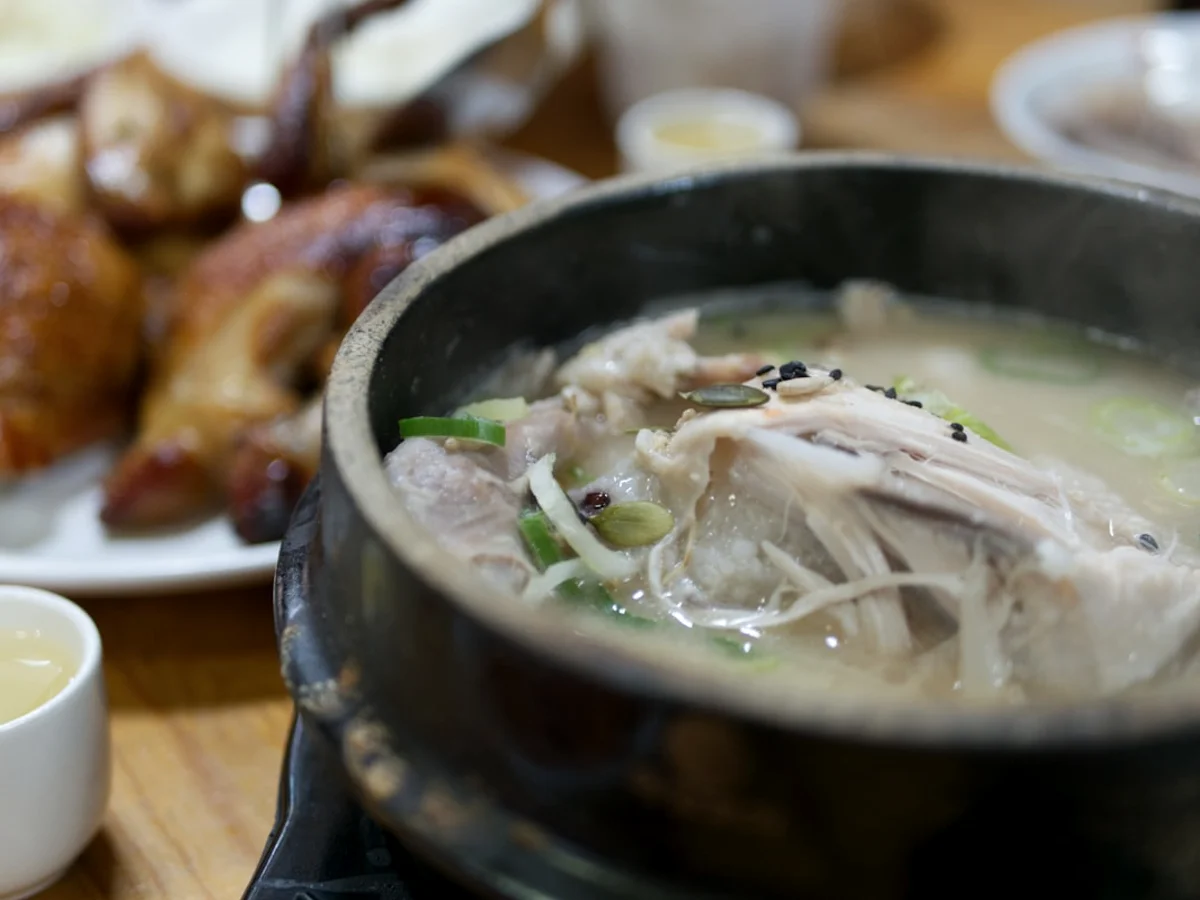
- Sambok Days: These are the three hottest days of summer. You’ll see lines out the door for Samgyetang (ginseng chicken soup) by 11:00 AM. The etiquette here? Patience. Don’t complain about the wait.
- Chuseok: It’s all about sharing the harvest. If an elder puts a piece of fish on your rice, eat it. Even if you’re full.
The “Hoesik” Survival Guide
On a random Tuesday night in Gangnam, around 7:30 PM, the restaurants are absolutely deafening. This is hoesik culture (company dinners), and it’s where I learned my toughest lessons. I once poured my own soju glass because my boss was talking to someone else. Big mistake. The table went quiet for a split second—awkward, right? In daily life, dining etiquette is weirdly flexible yet rigid. You can slurp noodles loudly (it actually shows you like it!), but don’t you dare lift your rice bowl off the table like you might in Japan or China. It’s considered rude here.
- The First Bite: Nobody eats until the oldest person at the table picks up their spoon. I here just stare at my water cup until I see movement.
- The Pour: Never let a neighbor’s glass go empty, and never pour your own. It’s a team sport.
- The Turn: When you drink in front of an elder, turn your head and upper body slightly away. It feels dramatic at first, but you get used to it.
Weddings and Special Events
Weddings are a whole different beast. Honestly, they felt a bit chaotic to me compared to Western weddings. You might be eating at a massive buffet hall with 500 other people, and the “etiquette” here’s mostly about speed and efficiency because the next wedding party is waiting outside. I was surprised that people started eating before the couple even finished their ceremony! Then again, at a Doljanchi (a baby’s first birthday), things slow down. The focus is entirely on the child’s future, and guests are expected to participate enthusiastically in the events. If you’re handed a raffle ticket or asked to guess what the baby will grab (the doljabi), just go with it. It’s loud, happy, and here costs you a cash envelope of about 50,000 to 100,000 won.
Tips for Korean Dining Manners: Essential Table Etiquette for Foreign Visitors
Dress to Impress (But Comfortably)
When I first got invited to a dinner in Gangnam—around 7 PM on a humid Tuesday—I was sweating buckets in a full suit while everyone else looked effortlessly cool in “business casual.” Honestly, I felt like a penguin in a sauna. You generally don’t need to overdress, but showing up in flip-flops is a definite no-go unless you’re literally at the beach. Smart casual is your best bet. One thing that still trips me up? The shoe situation. Many traditional restaurants require you to take them off. I remember stepping onto the floor—the wood was surprisingly warm from the floor heating—and realizing I had a hole in my sock. Mortifying. The smell of spicy stew was amazing, but I couldn’t stop thinking about my toe.
- Check your socks: Make sure they’re clean and absolutely hole-free.
- Easy removal: Wear shoes that you can slip on and off quickly without a struggle.
- Modesty matters: Avoid overly revealing tops, especially for women in formal settings.
The Art of Small Gifts
You know, I used to think bringing a gift was only for birthdays. But here? It’s a lubricant for social interactions. I once visited a friend’s parents’ house in Busan and brought a simple box of oranges I bought for 15,000 won at a nearby mart. The mother’s face lit up like I’d given her gold. It’s not about the price tag; it’s the thought that counts. If you’re invited to a home, don’t show up empty-handed. It just feels… rude. Well, maybe not rude, but definitely thoughtless.
- Fruit baskets: Always a safe and highly appreciated choice, especially seasonal fruits.
- Roll cakes: You can find these at any bakery like Paris Baguette for around 12,000 won.
- Drinks: A set of health drinks or juices works well if you’re unsure.
Reading the Room (Nunchi)
Participating isn’t just about eating; it’s about flowing with the group. The hardest part for me was the pacing. You can’t just dig in; you have to wait for the eldest person to lift their spoon. It feels like a high-stakes game of “Simon Says” sometimes. And the drinking culture? Wow. I remember one night in Hongdae where my glass was never empty for more than 30 seconds. The noise was deafening—clinking glasses, shouting for more soju—but the energy was infectious. You don’t have to drink alcohol if you can’t, but refusals should be polite. Just accepting the glass and leaving it full is sometimes better than a hard “no.” It shows you’re still part of the collective vibe.
Common mistakes with Korean Dining Manners: Essential Table Etiquette for Foreign Visitors
Dining in Korea is less about memorizing a rigid rulebook and more about reading the atmosphere—what they call nunchi. The most critical thing to remember is to match the pace of the eldest person at the table and embrace the communal nature of sharing side dishes.
The Art of Waiting (and Eating)
When I first visited a friend’s home in Daegu, I nearly picked up my spoon the second the stew arrived. Big mistake. Honestly, the most important rule is to wait for the oldest person to lift their utensils before you start. It felt a bit awkward at first, staring at the steaming galbi-jjim while my friend’s grandfather slowly settled in, but it sets the tone for the whole meal. Once you’re eating, try not to rush. I tend to eat fast, but I realized quickly that finishing 20 minutes before everyone else leaves you sitting there twiddling your thumbs.
- Don’t lift your rice bowl off the table; leave it on the surface and use your spoon.
- Turn your head slightly away from elders when drinking alcohol.
- Never stick your chopsticks vertically into the rice bowl (it reminds locals of funeral rites).
Dress for the Floor
One thing guidebooks rarely mention? Your choice of pants matters. Many traditional restaurants still feature floor seating (ondol), and let me tell you, sitting cross-legged in tight skinny jeans for an hour is absolute torture. I learned this the hard way at a samgyetang place near Gyeongbokgung Station—my legs were asleep before the chicken even arrived. You also need to be mindful of your feet. Since you’ll likely be taking your shoes off at the entrance, wearing socks with holes in them is a nightmare scenario you want to avoid.
- Wear comfortable, loose-fitting bottoms if you plan on visiting traditional spots.
- Double-check your socks before heading out in the morning.
- Look for shoe lockers ( with individual keys) at the entrance so you don’t lose your sneakers in the pile.
Cameras and Privacy
You might think taking photos is rude, but Koreans love documenting their meals—the “camera eats first” culture is huge here. I’ve seen entire tables wait patiently while someone gets the perfect angle of a 25,000 won dessert. Yet, the privacy of the people around you is a different story. Privacy laws are strict, and people are sensitive about being filmed without consent. I once took a wide shot of a bustling market stall, and the owner politely but firmly asked me to delete it because I caught a customer’s face. It was super embarrassing.
- Focus your shots tight on the food to avoid capturing strangers.
- If you’re vlogging, try to blur faces in the background later.
- Don’t be surprised by loud shutter sounds; Korean phones are legally required to make a sound when taking photos to prevent spy cam issues.