Understanding Vegetarian and Vegan Dining Guide for Travelers in Korea
Yes and no—while traditional Korean temple cuisine is strictly vegan, modern dining can be a minefield of hidden seafood ingredients like salted shrimp and anchovy broth. Real talk: it is definitely getting easier in major hubs like Seoul where trendy vegan spots are popping up everywhere, but navigating a standard menu still requires a bit of know-how and some specific phrases.
The Roots in Temple Cuisine
You might be surprised to learn that Korea has a deep, thousand-year-old tradition of veganism, largely thanks to Buddhism. Monks have long practiced sachal eumsik (temple food), which avoids not only meat but also the “five pungent vegetables” like garlic and onions to aid meditation. I still remember my first temple stay at Jingwansa on a freezing Tuesday morning; it was maybe -10°C, and the air smelled crisp like pine needles. We sat on the warm floor eating a bowl of simple vegetable soup that cost about 10,000 won as part of the program. Honestly, it was cleaner and more flavorful than any Michelin-star meal I’ve had in the city. If you see a restaurant labeled “Temple Food,” you are generally in the clear.
The “Hidden Fish” Trap
here’s where things get tricky for travelers. In Korea, fish products are often viewed as “seasoning” rather than “meat.” You might order a vegetable stew thinking it’s safe, only to find it was boiled with dried anchovies. I learned this the hard way in a bustling market in Busan around 2 PM. I ordered a spicy soft tofu stew, confident it was just tofu and veggies. The first spoonful hit me with a strong, undeniable fishy taste—anchovy stock. I felt terrible leaving half the bowl, but the imo (auntie) just thought I was full. To stay safe, keep an eye out for these common hidden ingredients:
- Anchovy Broth (Myeolchi-yuksu): The default base for 90% of stews and noodle soups.
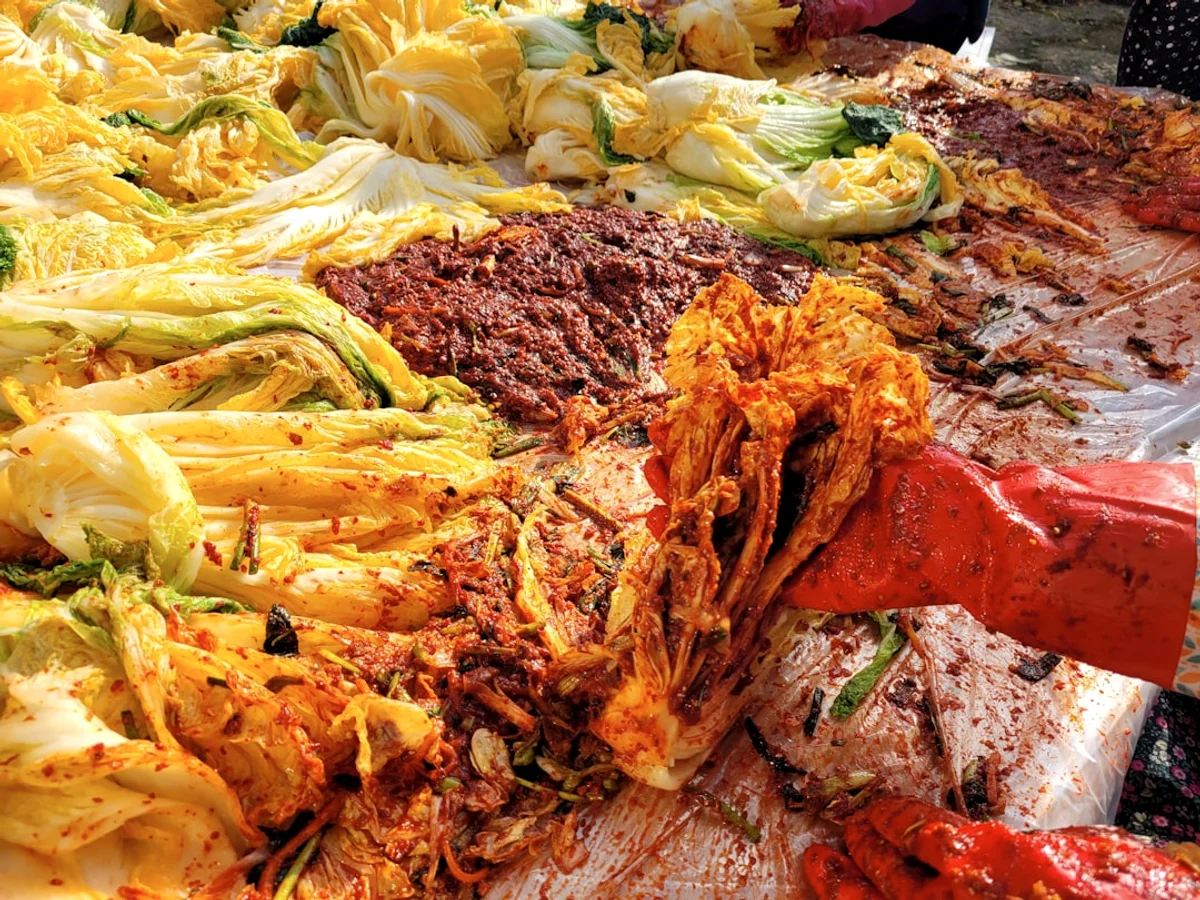
- Salted Shrimp (Saeujeot): Almost always used to ferment kimchi.
- Fish Cake (Eomuk): Often appears as a “vegetable” side dish or garnish.
Regional Differences Matter
The experience varies wildly depending on where you are. In Seoul, especially in neighborhoods like Itaewon or Mapo-gu, you can easily find dedicated vegan bakeries and cafes. I found this incredible spot in Mangwon-dong last week that served a vegan carrot cake for 7,500 won—the texture was so moist I couldn’t believe it had no eggs. But head out to the countryside, and it’s a different story. In rural areas, the concept of “vegetarian” might just mean “no red meat” to the elderly owners. You might have to negotiate a bit more, but honestly? That’s part of the charm. Sometimes, a kind owner will whip up a custom bibimbap with fresh mountain herbs just because you asked.
How to enjoy Vegetarian and Vegan Dining Guide for Travelers in Korea
[Quick answer: Navigating Korea as a plant-based traveler requires a bit of detective work, but it is incredibly rewarding once you crack the code. While hidden fish sauce and meat stocks are common pitfalls, mastering a few specific phrases and knowing where to look—especially temple food spots—will unlock some of the best meals of your life.] Entry was around $15.
Navigating Menus and Hidden Ingredients
When I first touched down in Seoul, I naively assumed ordering “Vegetable Bibimbap” meant I was in the clear. What surprised me was i was wrong. Honestly, you have to be vocal here because the concept of “meat” occasionally implies red meat chunks, not necessarily broths or seasonings. It arrived topped with a fried egg and a sprinkle of beef I hadn’t accounted for. The most critical phrase you can learn is “Gogi ppaego juseyo” (Please remove the meat), but you need to go a step further with broths. It was surprisingly quiet despite the crowds. Most stews that look vegan are actually built on an anchovy (myeolchi) base. It’s tricky, but to be safe, look out for these common hidden animal products: It’s right by exit 3.
- Fish Sauce (Aekjeot): Almost always in kimchi unless specified otherwise.
- Beef Powder (Dasida): A common flavor enhancer in noodle soups.
- Shrimp Paste (Saeujeot): sometimes used to season steamed eggs or side dishes.
The Banchan (Side Dish) Situation
I still remember the first time I ate at a specialized diverse rice place in Insadong; the table was groaning under the weight of the banchan. It’s beautiful, but for a vegan, it’s a bit of a minefield. The table culture here’s generous—you sit down, and suddenly ten little plates land in front of you. The blanched spinach might look safe, but it’s likely tossed with fish extract. If you aren’t at a specifically vegan or Temple Food restaurant, stick to the non-marinated items. The pickled radish (danmuji) and seaweed (gim) are usually safe bets. My advice? Don’t feel bad about leaving plates untouched; it’s not considered rude to leave side dishes you didn’t ask for, though it feels a bit wasteful. From my perspective,
Drinking and Socializing
You can’t talk about dining in Korea without talking about drinking—it’s just how people bond here. The good news is that the alcohol culture is surprisingly vegan-friendly. Honestly? Soju and beer are standard, but my personal obsession is Makgeolli (raw rice wine). There is something incredibly cozy about sitting in a bustling pancake house on a rainy Tuesday evening, sipping that milky, sweet-sour drink from a battered aluminum bowl. It pairs perfectly with greasy, savory carbs. Just be careful with what you order to go with it.
- Gamja-jeon: These are grated potato pancakes. Usually vegan and crispy as hell.
- Acorn Jelly (Dotorimuk): sometimes served with veggies, but ask for the sauce on the side just in case.
- Pajeon (Green Onion Pancake): Warning—seafood is mixed into the batter even if it’s not listed, so ask specifically for “No seafood.” Honestly, I’d pick a noisy, crowded pancake tent over a fancy cocktail bar any day. One local explained that the vibe is unbeatable, and a bottle of Makgeolli will only set you back about 4,000 to 5,000 won at a restaurant.
Seasonal considerations for Vegetarian and Vegan Dining Guide for Travelers in Korea
Seoul is undeniably the heart of Korea’s plant-based scene, with Insadong catering to traditional temple cuisine lovers and Itaewon serving up modern Western-style vegan comfort food. While finding strict vegetarian options in the countryside can still be a bit of a treasure hunt, you’ll be surprised by how many “accidentally vegan” dishes are hiding in plain sight at everyday markets if you know where to look. Personally, I think
The Heavy Hitters: Insadong and Itaewon
Honestly, whenever I have friends visiting who don’t eat meat, I drag them straight to Insadong. It’s touristy, sure, but the concentration of vegan-friendly spots down those winding alleys is unmatched. I remember stumbling into Sanchon years ago—it was around 7 PM and the air smelled heavily of incense and wild sesame oil. The food there isn’t just dinner; it’s a full-on performance with like, twenty different side dishes. If you’re craving something less traditional, just hop over to Itaewon. The vibe there is totally different—gritty, loud, international. I’d definitely recommend checking this out. The warm atmosphere made it cozy.
- Plant Cafe in Itaewon is a lifesaver when you just need a lentil burger or a slice of cake that doesn’t taste like cardboard.
- Osegye Hyang in Insadong creates vegan versions of heavy hitters like BBQ and stews, costing around 10,000 to 15,000 won.
- Don’t skip the tea houses; almost all the traditional snacks served there are naturally vegan.
Temple Food Without the Trek
Authentic temple cuisine is naturally vegan (no meat, no fish, no five pungent spices like garlic or onions). During my visit, it sounds bland on paper, right? You don’t actually have to hike up a mountain to try temple food, though the hike helps work up an appetite. But the flavors are incredibly complex. I once spent way too much money at Balwoo Gongyang near Jogyesa Temple, but eating that fermented soybean paste… man, it changed my life. Personally, I think this is worth it.
- Look for restaurants with the Korean Temple Food certification logo if you want the real deal.
- Lunch courses are here significantly cheaper, occasionally starting around 30,000 won compared to dinner prices.
- Reservations are a must for the high-end spots, especially on weekends.
Surviving the Traditional Markets
Walking into Gwangjang Market can be overwhelming—the steam, the shouting, the sheer amount of food. It’s chaotic in the best way. While half the stalls are selling meat, the other half are frying up Bindaetteok (mung bean pancakes). The first time I tried one, I burned the roof of my mouth because I was too impatient to let it cool down, but that crispy, oily crunch was worth it. Just be careful with the dipping sauce; sometimes they sneak a little fish sauce in there.
- Mung Bean Pancakes (Bindaetteok): occasionally safe, just ground beans and veggies.
- Mayak Kimbap: addictive mini seaweed rolls—ask for them without ham or egg if you’re strict, though the basic ones occasionally just have carrots and radish.
- Bibimbap Stalls: You can customize your bowl. Just point and say “No meat” or Gogi ppae-juseyo.
Why is Vegetarian and Vegan Dining Guide for Travelers in Korea significant?
Korea has four incredibly distinct seasons, but if you’re eating plant-based, spring is the undisputed champion. Pro tip from experience: the mountains practically explode with edible greens (namul), meaning your side dishes are fresher and more varied than at any other time of year. If you can book your flight for April or May, do it—your tastebuds will thank you. I’d definitely recommend checking this out.
The Magic of Mountain Herbs
Spring isn’t just about cherry blossoms; it’s about what ends up on your table. I remember walking into a small, nondescript restaurant near Jirisan National Park around late April. The owner just dumped—literally dumped—a basket of fresh dureup (fatsia shoots) on my table. They were slightly bitter, earthy, and blanched just right. You simply don’t get that specific flavor profile in winter. It’s strictly a seasonal treat. By contrast, winter meals tend to rely heavily on fermented kimchi and dried vegetables, which are delicious but can get salty after a few days.
- Spring (March-May): Look for Sanchae-bibimbap (wild vegetable mixed rice). It’s at its absolute peak freshness.
- Summer (June-August): The humidity is brutal, but Kong-guksu (cold soy milk noodles) appears on menus everywhere. It’s sometimes vegan by default and costs around 9,000 to 12,000 won.
- Autumn (September-November): Persimmons and chestnuts are sold on street corners. They make for perfect, cheap hiking snacks.
Lunch Rush vs. Dinner Drinking
Here’s a tip I honestly wish I knew on my first trip: eat your main meal at lunch. Serious. Many traditional spots offer a Jeongsik (table d’hôte) menu between 11:30 AM and 2:00 PM that’s significantly cheaper and naturally heavier on the vegetable banchan. Come dinner time? The vibe changes completely. It becomes all about Anju (drinking snacks), which implies pork belly or fried chicken. Finding a quiet, plant-based meal at 7:00 PM in a bustling district like Hongdae or Gangnam can be… well, a bit of a headache. I once wandered for forty minutes in the rain just trying to find a Sundubu-jjigae (soft tofu stew) that didn’t have clams hidden in the broth. Stick to lunch for the big feasts, and grab lighter street food or convenience store kimbap for dinner if you’re struggling.
The Buddha’s Birthday Bonus
If you can time your trip around Buddha’s Birthday (occasionally falling in May based on the lunar calendar), you are in for a massive treat. The temples open up, sometimes offering free bibimbap to visitors, and the street festivals feature specific temple cuisine stalls that are 100% vegan. It’s the one time of year where plant-based food is arguably the main event rather than a dietary restriction. I stumbled upon a stall near Jogyesa Temple once where a monk handed me a cup of lotus leaf tea and a sticky rice cake. It was simple, free, and the atmosphere—lanterns glowing everywhere, chanting in the background—made it taste better than any Michelin-starred meal I’ve had.
Top locations for Vegetarian and Vegan Dining Guide for Travelers in Korea
Honestly, it wasn’t always like this, but lately, everyone in Seoul seems to be obsessed with “wellness” and sustainable living. Fun fact: it’s less about strict labels and more about a cultural shift towards lighter, healthier meals that help you recover from all that heavy BBQ and soju from the night before.
The “Well-being” Wave
I remember visiting Seoul back in 2015, and finding a decent salad bowl was like finding a needle in a haystack. Now? You can’t walk two blocks in Hongdae or Gangnam without bumping into a chic salad bar or a vegan bakery. It’s wild. Koreans call this the “well-being” (wel-bing) trend. It’s not just about animal rights; it’s heavily tied to health and looking good. My friend Min-ji dragged me to a vegan cafe in Seongsu-dong last week, and the place was packed with trendy couples taking selfies with their avocado toast. The vibe was surprisingly energetic—you could hear the espresso machine hissing and indie pop playing a bit too loudly.
- Detox culture: After heavy drinking rounds (hwaisik), people genuinely crave clean food to reset.
- K-Beauty influence: Clear skin starts from the gut, or so my Korean friends keep telling me over lunch.
- Celebrity diets: When K-pop idols mention sweet potato diets, everyone listens.
Temple Food Goes Global
You’ve probably seen Chef’s Table with Jeong Kwan, right? That show changed everything here. When I finally tried temple food at Balwoo Gongyang (make sure to book at least 2 weeks in advance!), I was blown away—not by the lack of meat, but by how intense the flavors were. Honestly, I’d pick their lotus leaf rice over a steak any day. It wasn’t “vegan food” trying to be meat; it was just incredible food. The silence in the dining room was heavy at first, but then the smell of sesame oil and aged soy sauce hit the table, and nothing else mattered.
- Fermentation is key: The aged soy sauce (ganjang) they use adds this deep umami that mimics meat perfectly.
- Seasonal focus: They literally cook what’s growing in the mountains right now.
- Mindfulness: Eating in silence makes you actually taste the ingredients, which sounds cheesy until you try it.
It’s Just Easier Now
Socially, it used to be super awkward to be the one person not eating meat at a K-BBQ joint. I’ve been there, awkwardly picking at plain lettuce wraps while everyone else grills pork belly, trying to look busy. But things are shifting. Young Koreans are way more open-minded now. I was at a cafe near Itaewon recently, and the barista offered oat milk without me even asking—occasionally for an extra 500 won. It’s a small change, but for a traveler, not having to explain your dietary life story every time you want a latte makes the whole trip so much smoother.